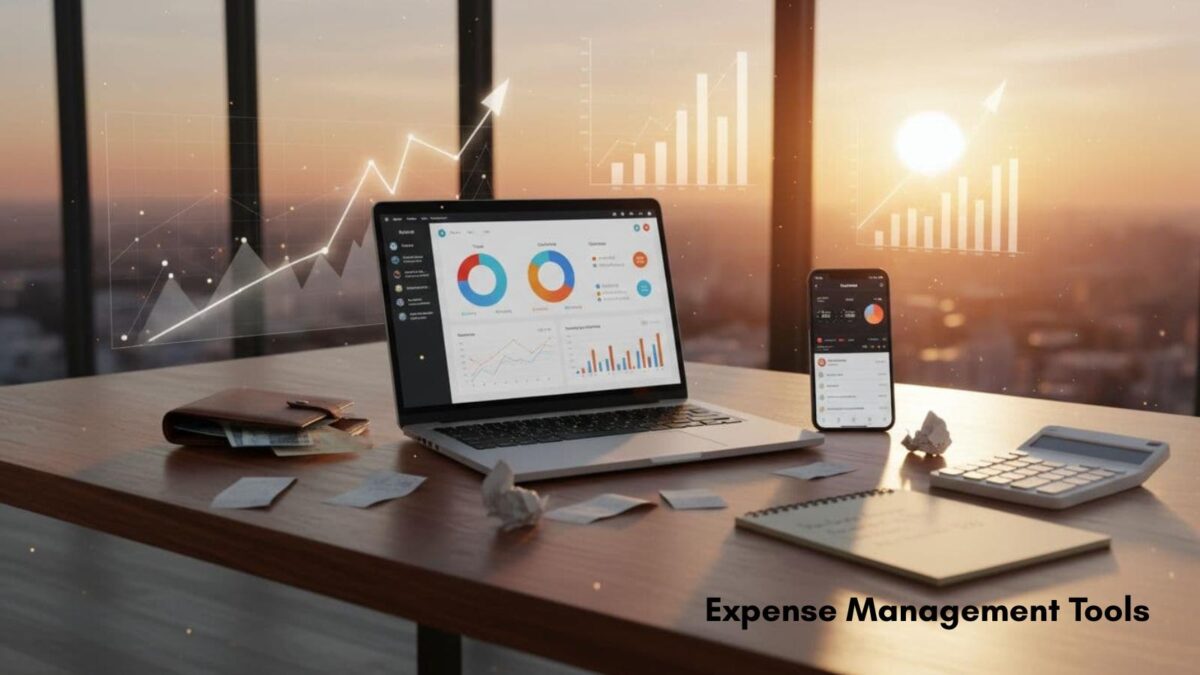
The ability to proactively control and optimize company spending is a defining factor in achieving sustainable business growth. As organizations expand, expenses become more complex, creating a greater need for practical tools and structured systems, such as expense management, to drive accountability, efficiency, and cost reduction.
A modern approach to expense management allows businesses to monitor spending, prevent waste, and boost profits. With innovative strategies and technologies, companies can gain greater visibility into their finances and position themselves for long-term success.
Whether you are a startup or a growing enterprise, refining your expense management processes can unlock new opportunities for growth and stability.
This article explores the essential pillars of effective expense management, including how technology is revolutionizing the process, the impact of automation, best practices for policy implementation, and the value of employee training.
Regular monitoring and analytics also play a pivotal role in uncovering opportunities for improvement. Small changes, when approached strategically, can have a significant impact on profitability.
Below, I will also walk through a real-world case study to demonstrate the tangible benefits of more innovative expense management.
Table of Contents
Understanding Expense Management
Expense management is the discipline of tracking, analyzing, and controlling business spending. This process ensures that every dollar leaving the organization serves a business purpose.
Without a well-thought-out expense management system, companies may risk inefficiency and missed savings opportunities. Disciplined expense management goes beyond bookkeeping:
- It creates a culture of responsibility
- Expense management shows transparency
- Offers resourcefulness that supports ongoing financial health
The Role of Technology in Expense Management Tools
The evolution of technology has radically simplified expense management. Automated platforms can now digitize receipts, auto-categorize spending, and instantly alert managers to policy violations.
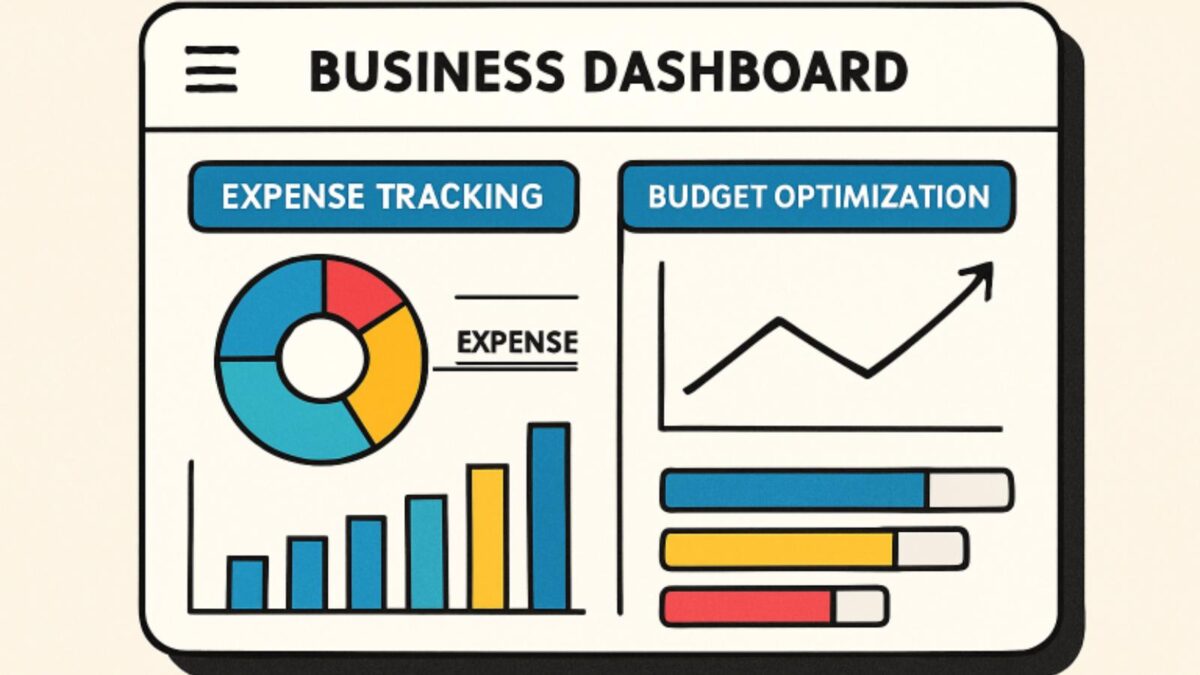
Embracing digital expense management tools means that audits, approvals, reimbursements, and recordkeeping happen seamlessly, reducing bottlenecks and human error.
For example, incorporating artificial intelligence and automation has helped companies streamline operations, free up employee time for growth-oriented activities, and reduce the risk of fraudulent or non-compliant expenses.
Companies that harness technology can gain real-time insights and maintain full control over spending patterns.
Benefits of Complete Automated Expense Management Tools
- Time Savings: Automated systems reduce the need for manual expense entry, approval routing, and processing, freeing employees to focus on higher-value work.
- Accuracy: Automation minimizes human error, ensuring precise data entry and compliant reporting.
- Compliance: Digital platforms enforce company policies and regulatory rules, helping reduce the risk of unauthorized or non-compliant spending.
- Real-Time Insights: Managers have instant access to updated spending data, enabling faster, more informed decision-making on budgets and resource allocation.

Automating expense management can also help organizations adapt rapidly to changing business needs and regulatory requirements, especially in unpredictable market environments.
Implementing Effective Expense Policies
Every company needs well-defined, up-to-date expense policies tailored to its operation. These policies clarify which expenses are allowed, how to report them, who must approve them, and the process for obtaining reimbursement.
Comprehensive policies should be detailed yet simple, regularly reviewed, and adjusted as business operations evolve. Consistent communication of these guidelines helps foster a culture of compliance, fairness, and accountability across all departments.
Training Employees on Expense Management
Employee buy-in is essential for the success of any expense management initiative. Training programs that break down expense policies, demonstrate how to use the system, and highlight the positive effects of compliance are key.
Ongoing education ensures that staff stay current with process changes and can use new technologies effectively. Empowering employees with the right knowledge reduces mistakes, accelerates approvals, and increases satisfaction with the entire reporting process.
Monitoring and Analyzing Expense Data
Continuous monitoring and analysis of expense data is fundamental to identifying trends, inefficiencies, and opportunities for savings. Modern expense management software offers analytics tools that can pinpoint:
- Top spending categories
- Flag outliers
- Suggest cost-control actions
Actionable insights from regular reviews enable organizations to make data-driven decisions and adapt their strategies as needed, ultimately contributing to stronger financial outcomes.
Case Study: Successful Expense Management Implementation
Consider a mid-sized professional services company that implemented an AI-powered expense management platform. Within six months, the organization saw a 30 percent decrease in processing time for expenses and a 20 percent reduction in non-compliant expenses.
Employees reported greater satisfaction, citing the simplicity of the new platform and faster reimbursement turnaround time. The company also saw a measurable boost in budget adherence and overall financial transparency, demonstrating the long-term benefits of investing in smarter expense management tools.
Conclusion: Expense Management tools
More innovative expense management is essential for companies seeking operational efficiency and sustained growth. By leveraging technology, defining clear policies, educating staff, and staying data-driven, organizations can reduce costs, eliminate inefficiencies, and set themselves apart in a competitive marketplace.
Strategic investment in expense management is not only a financial necessity but also a catalyst for business innovation and resilience.

I’m Lisa Sicard, founder of Inspire To Thrive.
Small Biz Tipster is my dedicated space for straightforward, no-nonsense tips that help small business owners grow smarter and faster. Voted in the Top 100 Small Business Blogs by Feedspot for 2025 and 2026, and with over 30 years of hands-on digital marketing experience, I share simple strategies here so you can save time on social media, attract more customers, and focus on what you love — running your business. Through Inspire To Thrive, I also provide social media management, training, and consultations.