Do you take the time in collecting data from your business? If not, now is the time to do something about it. If you do not take the time to collect data and crunch numbers, you may not be working very efficiently.
You may also find that you can’t meet your customers’ needs and end up going into debt because you’re simply not staying ahead of the curve with your finances.
Overall, understanding the business data you have is integral to your company’s success. If you want to understand the benefits of your business data better, keep reading.
Table of Contents
Key Takeaways
- Collecting data helps small businesses understand customer behavior, needs, and preferences, enabling them to improve their products and services.
- Data supports smarter marketing decisions, from choosing the proper channels to tracking which campaigns bring the best results.
- Business data tells a clear story of growth by showing trends in website traffic, sales, and customer demographics over time.
- Data-driven small businesses work more efficiently, adapt faster to market changes, and reduce time and budget waste.
- Regularly analyzing data helps small businesses spot risks early and uncover new opportunities for growth and expansion.
What Is Data Collection?
Data collection involves gathering, organizing, and storing information for analysis. It is a crucial process for businesses to understand their customers, track trends, and make informed decisions.
Companies collect data through various methods, such as surveys, online forms, and tracking user interactions. This information is then used to improve products, enhance services, and effectively target specific audiences.

In today’s digital age, data collection plays a vital role in shaping strategies and driving business growth.
1. Understanding Your Customers With Data
One of the main reasons to collect business data is to understand your customers better. Data can be used to gain insight into how your customers behave and to improve the customer experience as a whole, and our 10 practical strategies for knowing your customers show how to turn those insights into action.
You can then create custom campaigns that benefit you for years to come. If you have never given much thought to using customer data, you can also use it to segment your target audience so you can target people more efficiently.
If you don’t feel as though you can access the data you need, then looking into text mining could be the best option. Text mining is the process of transforming unstructured text into a structured format to identify meaningful patterns and new insights
2. Improving Marketing by Collecting Data
Another significant benefit of collecting customer data is that it can help you significantly improve your marketing strategy. Data can be used to target audiences and to measure how effective your campaigns are.
If you are not using data to your advantage, you may never know which campaigns are working for you and which aren’t, which could put a significant dent in your business’s success.
3. Tell Your Small Business Story
Collecting data for your small business can vividly illustrate your journey and achievements. By analyzing metrics like customer demographics, website traffic, and sales trends, you gain valuable insights into what resonates with your audience and drives success.
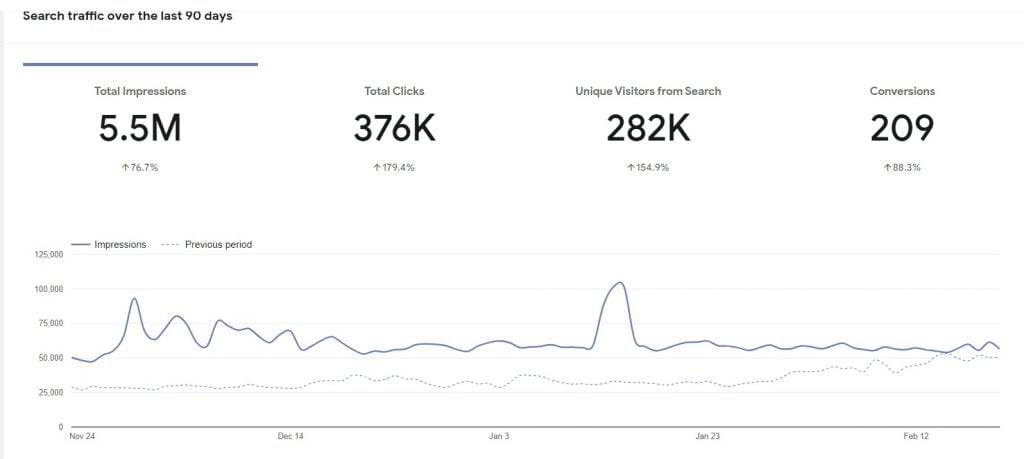
Data reveals patterns and opportunities that can inform your strategic decisions, refine marketing tactics, and enhance customer experiences. With a comprehensive data-driven approach, you not only track progress but also craft a compelling narrative of growth and impact.
Your business story, shaped by concrete data points, becomes a powerful tool in showcasing your unique value proposition and fostering trust with your target audience.
4. Increasing Efficiency With Business Data
Collecting data helps your business to stay efficient. Studies have shown time and again that companies that use data effectively can adapt to market changes more readily and remain much more competitive.
Companies driven by data can seize new opportunities and better adapt to emerging trends. If you don’t feel as though your business is as efficient as it could be, then poor data utilization could well be the reason why.
Make sure you keep this in mind and take steps to avoid falling victim to it.
5. Mitigating Risks and Identifying Opportunities with Data
Mitigating risks and identifying opportunities with data is crucial for small businesses. By analyzing trends and patterns, companies can make informed decisions to minimize potential threats and maximize growth.
Utilizing data effectively allows for a deeper understanding of customer behavior and market dynamics. Small businesses that harness the power of data-driven insights gain a competitive edge in today’s fast-paced market environment.
Data serves as a valuable tool in shaping strategic direction and fostering sustainable growth for small enterprises.
Summarizing Collecting Data
As you can see, not using data is a significant issue, and if you want to come out on top, you must consider it. If you feel your business is using data poorly, consider hiring a service that crunches the data for you.
That way, you can spot trends and take action to prevent your business from falling victim to inefficiency. This is the best way to ensure the success of your data.
Frequently Asked Questions About Collecting Data For Small Businesses
Why should a small business collect data?
A small business should collect data to understand its customers, track trends, and make smarter decisions. Data shows how people find and use your products or services, which campaigns work, and where money gets wasted. With better insight, you can improve the customer experience, support growth, and avoid blind guesses about what to do next.
What types of data should small businesses focus on?
Small businesses should focus on customer behavior data, website analytics, and sales data. This can include who your customers are, what they buy, how often they return, which pages they visit on your site, and which marketing channels bring them in. These data points help you see patterns, refine offers, and decide where to invest time and money.
How does collecting data improve marketing for small businesses?
Collecting data improves marketing by showing which messages, channels, and campaigns get results. When you track key metrics, you can see which ads convert, which emails get opened, and which audiences respond to your offers. That way, you can shift budget to what works, stop what does not, and build more targeted campaigns that fit your ideal customers.
How can data help a small business operate more efficiently?
Data helps a small business operate more efficiently by highlighting waste, bottlenecks, and missed chances. When you track how long tasks take, which products sell, and how often customers return, you can adjust your processes. This might mean changing pricing, updating stock levels, or improving service steps so you save time and reduce costs.
How does data help small businesses reduce risk and find new opportunities?
Data reduces risk by revealing negative trends early, such as falling sales, higher costs, or lower website traffic. It also highlights growing demand, new customer segments, and rising interest in certain products or services. By reviewing this information on a regular schedule, small businesses can respond quickly, protect cash flow, and act on new opportunities before competitors.

I’m Lisa Sicard, founder of Inspire To Thrive.
Small Biz Tipster is my dedicated space for straightforward, no-nonsense tips that help small business owners grow smarter and faster. Voted in the Top 100 Small Business Blogs by Feedspot for 2025 and 2026, and with over 30 years of hands-on digital marketing experience, I share simple strategies here so you can save time on social media, attract more customers, and focus on what you love — running your business. Through Inspire To Thrive, I also provide social media management, training, and consultations.