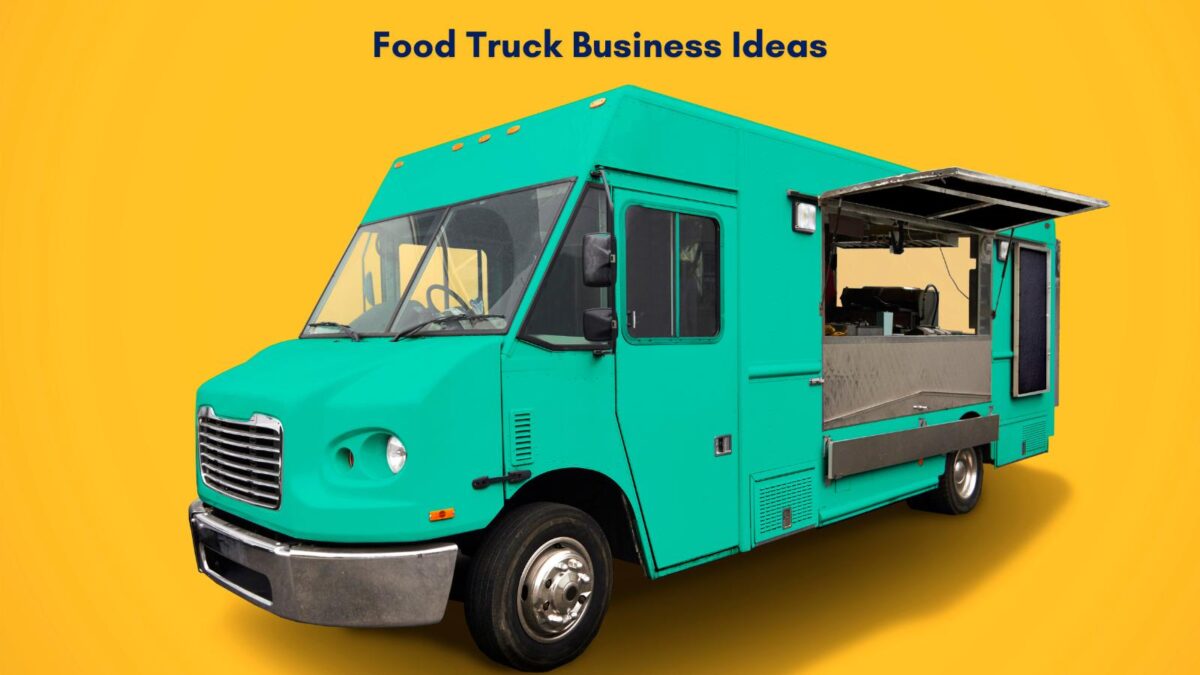
Starting a restaurant can be a daunting task. But if you’re looking at how to start a food truck business, things can be a little easier. However, there are a few key things to keep in mind when starting your small business as a food truck owner.
In this blog post, we will discuss some essential tips for starting a food truck business and success as a food truck owner.
Table of Contents
How To Start A Food Truck Business
So, whether you’re just starting or you’ve been in the food truck business for a while, make sure to read on. It won’t all be easy to get started, but these tips will get you going on the right path.
Of course, summertime is the best time to begin your new outdoor business adventure.
1. Start By Doing Research
Research what types of food trucks are already in your area. Learn which type of food is best for the area where you want to start your food truck business. Not every area likes Mexican food or Italian food.
You want to be sure there is a demand for your type of cuisine.
2. Get The Right Equipment
If you’re starting a food truck business, one of the first things you need to do is purchase the right equipment. A great place to visit is Surplus Restaurant Supplies.
This can be daunting, as you need to buy so many different items to get started.
However, don’t let this overwhelm you – focus on purchasing the essentials first for your food truck biz and then build from there.
Lisa, Small Biz Tipster
Some of the restaurant supplies you’ll need to purchase include:
- a commercial-grade oven or stovetop
- a deep fryer
- a fridge or freezer
- shelving and storage units
- prep tables
- small wares (pots, pans, utensils, etc.)

3. Keep Your Ideas For Food Truck Menu Simple But Delicious
One of the keys to success for any restaurant is a great menu. This is especially true for food trucks, which have a limited amount of space to work with and need to be able to serve their customers quickly.
While you may be tempted to try and offer a wide variety of items, it’s essential to keep your menu simple at first. Choose a few things you know you can make well and focus on perfecting them.
Keep your food truck menu simple and tasty.
Then, once you have a loyal customer base, you can experiment with new dishes to serve up.
4. Find The Right Marketing Strategy
As a food truck owner, one essential task is to market your business effectively. There are various ways to sell your food truck, and it’s necessary to find the right strategy for your business.
One way to market your food truck is through social media and local online business listings.
Social media is a great way to reach a large audience and connect with your customers. Another way to market your food truck is through word of mouth.
Word-of-mouth is a powerful marketing tool, and it’s free. Use word-of-mouth marketing to advertise your food truck.
Finally, make sure you provide excellent customer service so your customers are happy to tell their friends about your food truck.
Marketing your food truck also means making it easy for people to find you online. A simple homepage can show your menu, location, opening hours, and contact details in one place. Social media posts can bring attention to your business, while an unknown homepage can give potential customers another way to discover what you offer.
Keep the information up to date, especially when your location or opening hours change.
5. Be Sure To Have the Right Licenses and Permits
Owning any food-related business is not something you can start without having the right licenses and permits. You don’t want to start out with a fine and expenses that will take years to pay off.
Learn which licenses and permits are required in the area where your new business will be located. Some of these licenses may include:
- Business license
- Drivers license
- IEN
- Health department permit
- Food handler permit
- Parking permits
- Special events permitting
Some areas of the country may require more of these permits and licenses, and other areas less.
Hard Work Pays Off
If you’re thinking about starting a food truck business, there are a few things to keep in mind to ensure your success.
First and foremost, running a food truck is not for everyone. It takes a lot of hard work, dedication, and passion for making it work.
You need to be able to put in the long hours and handle the stress that comes with being your boss. But if you’re up for the challenge, owning a food truck can be an advantageous experience.
In Conclusion
If you’re thinking about starting a food truck biz, you should keep a few things in mind.
So what are you waiting for? Get out there and start cooking up some deliciousness! I’d love to hear from you if you’ve ever started a food truck business or have ideas for one.
FAQ: Starting A Food Truck Business
What permits and licenses do I need to start a food truck business?
You typically need a business license, food handler’s permit, health department permit, and a parking permit. Check local regulations as they can vary widely.
How much does it cost to start a food truck business?
Startup costs range from $50,000 to $100,000. This includes the truck, equipment, permits, and initial inventory. Budget for unexpected expenses too.
What are the best locations to park my food truck?
High foot-traffic areas like business districts, parks, and events are ideal. Make sure to check local parking regulations and any required permits.
How can I effectively market my food truck?
Use social media to announce your locations and specials. Engage with local food bloggers and participate in community events for more exposure.
What are some key tips for menu planning?
Keep the menu simple and focused. Use ingredients that can be used in multiple dishes to save costs. Ensure your offerings are unique to stand out from competitors.

I’m Lisa Sicard, founder of Inspire To Thrive.
Small Biz Tipster is my dedicated space for straightforward, no-nonsense tips that help small business owners grow smarter and faster. Voted in the Top 100 Small Business Blogs by Feedspot for 2025 and 2026, and with over 30 years of hands-on digital marketing experience, I share simple strategies here so you can save time on social media, attract more customers, and focus on what you love — running your business. Through Inspire To Thrive, I also provide social media management, training, and consultations.