
The right business image is something we all know is important, but it’s not just one of those essential concoctions; it’s a reflection of what you do and how you do it.
Your business image is the impression people form from your branding, pricing, service, and public presence.
So when it comes to your image and how you are represented, there are so many different tactics. Here are some of the most important strategies:
Table of Contents
Key Takeaways
- A strong business image comes from consistent branding across your website, packaging, and printed materials, so people quickly understand what you do.
- Clear, transparent pricing builds trust and reduces friction. Publish a simple pricing menu and avoid hidden fees.
- Use press coverage and local media to build credibility, share a clear story (launches, milestones, community impact), and link to proof.
- Personal referrals and employee advocacy shape your reputation. Treat customers and staff well so they naturally recommend you.
- Stay in touch with past customers using a CRM and email. Repeat buyers are often easier to win back than new leads.
10 Tips For Your Business’s Image
1. The Physical Branding
Making a business look good will lend credibility. Whatever images you are showing off and on whatever products you use, from brochures to websites and everything in between, it’s got to send a clear message.
Whatever your business approach, you need to ensure the image immediately communicates who you are. As well as lending that notion of credibility.
Something like packaging is so important, but can be low down on the list of priorities.
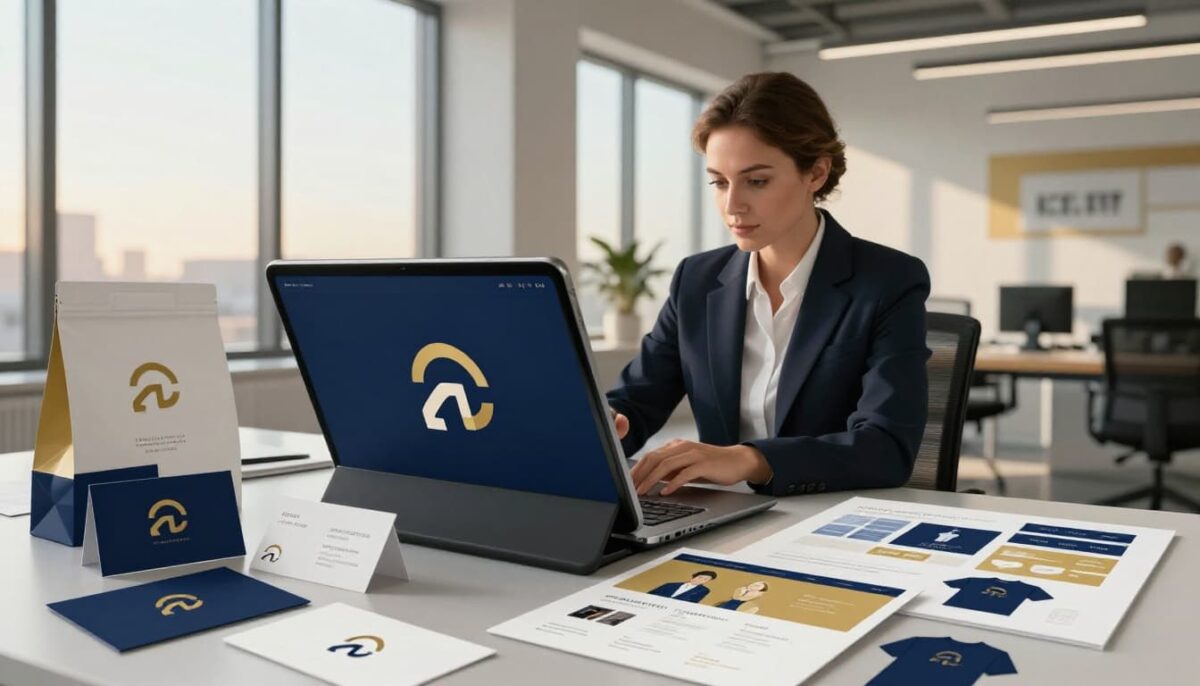
It is imperative that you make your brand image unique. Furthermore, ensure you communicate a specific message relevant to your industry. This is not an easy balance to get right.
2. Creating Pricing That Is Easy To Understand
Pricing structures can be needlessly complicated. Any business that tries to hide its pricing from customers will not build a solid relationship in the long run. If you’re running a service business, you need to ensure prices are clear and streamlined.
A pricing menu is always a good idea because your customers will know what they are going to pay for your services.
So many people look at pricing as a deciding factor, but complicated pricing confuses customers and slows purchases
How To Make It Easy
To keep your pricing structure simple, start by identifying the key factors that influence it. Identify the specific products or services you offer and the costs associated with them.
Next, consider your target audience and their willingness to pay. Simplify your pricing by offering clear, concise options and avoiding unnecessary add-ons or complex tiers.
Ensure your pricing is easy to understand and transparent by clearly outlining the benefits and features included in each option.
Additionally, consider providing flexible payment terms and discounts for loyal customers. Regularly review and update your pricing structure to stay competitive and meet your customers’ evolving needs.
3. Using The Press For The Right Business Image
If you can find a newsworthy angle for your business, whether it’s your business’s story or the grand opening of a new location, you can send a press release to local publications.
Depending on the nature of your business, you’ll need tailored PR services to guide you in using the press for the right business image.
For instance, if you’re a tech business, technology PR can help you leverage the press to enhance your company’s image. By strategically crafting press releases, securing media coverage, and engaging with industry influencers, this kind of PR can amplify your brand’s visibility and credibility.
Whether it’s highlighting innovative products, sharing success stories, or positioning your company as a thought leader, these services can help you make a lasting impression on your target audience and stakeholders.
But here is an excellent guide on working with the press to get you started.
4. Encouraging Personal Recommendations
If you want to get new customers, personal recommendations are amazing for your image. A personal recommendation is a solid endorsement from someone who is trusted.
Of course, we can all learn how to reward customers for referrals, but we have to remember that a customer is going to recommend a business that is solid through and through.
Especially when it comes to customer service and actually going the extra mile.
You can always give your customers good rewards, but make sure they’re within your budget. Sometimes, the incentive to reward customers for recommending to others can seem like a desperate measure.
And it’s important to avoid looking desperate for obvious reasons.
5. Employee Relations
As for the image, the people who work for you can be an amazing addition to your marketing strategy. There’s always the potential for your employees to wear certain merchandise that advertises your business everywhere.
They will also be more inclined to recommend your services to friends and family when wearing a company t-shirt.
But this will only work if you treat them appropriately. If your employees love their jobs and believe in your business, they are more likely to promote the company in various ways.

And as far as your image is concerned, you’ve always got to lead from the top down. The example you set is always crucial for your brand image.
6. Incorporate A Referral Exchange For Business Image
Working with other businesses is very important, especially if you are both in positions where you need to boost your profile. Working with another company is a great way to build camaraderie as you both grow your companies, and it’s also a perfect opportunity to share strategies.
For example, if you both contribute content to each other’s blogs, it can give you both insight into how to improve your approach for the right business image.
The best way to do this is to work with a business that complements yours. Do that rather than one you are directly competing with.
7. Use And Maintain A Customer Database
One of the biggest mistakes we all make is trying to get new customers. For the sake of our image, we always need to go back to our previous customers.
A customer who has used your business before is more likely to use it again. As long as they had a good experience.
Customer Relationship Management (CRM) software is a very simple but effective investment. It is where you can build upon that relationship with a customer. A direct mailing campaign is also a very successful approach.
So many people avoid using email to market their business image. However, it is still one of the best marketing tactics out there.
Because an email provides instant access to your customer without being forceful, it allows you the opportunity to build a great bridge.
8. Creative Listing for Your Business Image
Pivotal to your image is how you advertise yourself and your business image. You can list in popular and obvious places, but you’ve also got to go for places that aren’t necessarily the big hitters.
If you want to grow your business, you’ve got to look at the subtle components that can net you a dedicated customer. These “low-hanging fruit” are so important to your business.
A local city website or a non-profit organization can be an amazing way to boost your image. This works because you are maintaining a grassroots approach. You could use Bing Places online as people use it in voice search today.
A strong business image takes consistent actions over time. However, there are so many things you can do to ensure that your business puts the right one forward.
9. Business Cards
To select the best business cards for your business image, consider these key factors. First, focus on the design. Opt for a clean and professional layout that reflects your brand identity.
Second, choose high-quality materials that convey durability and reliability. Third, prioritize legibility by selecting a font size and style that is easy to read.
Additionally, ensure that your business cards contain essential information, such as your name, contact details, and business logo.
Finally, review samples or proofs before finalizing your order to guarantee accuracy and satisfaction. Following these steps will help you choose business cards that effectively reflect your brand image.
10. Signage
When selecting signage for your business image, it is crucial to consider various factors to ensure you make the best choice. Begin by identifying your target audience and the message you want to convey.
Research the different types of signs available, such as storefront signs, banners, or vehicle wraps. Evaluate the durability, visibility, and suitability of each option for your specific needs.
Consider the size, font, color scheme, and overall design to ensure it aligns with your brand identity. Additionally, take into account any local zoning regulations or restrictions that may impact your signage choices.
By carefully assessing these aspects, you can confidently pick the best signage to enhance your business image and attract customers effectively.
Common Mistakes You May Miss
Here are some common mistakes you may miss with your business’s branding:
- Inconsistent logos
- Hidden fees
- Ignoring reviews
- Outdated signage
- Buying low-quality business cards
- Never email past customers
Conclusion: Your Business Image
Putting the right business image forward comes down to being clear, consistent, and easy to trust. You don’t need flashy branding; you need the basics done well, a clean logo, readable fonts, and colors that match your tone.
Keep your message tight across your website, social profiles, emails, invoices, and even your voicemail, because small gaps make people hesitate. Use real photos when you can (you, your workspace, your products), and skip anything that looks like a template someone’s seen a hundred times.
Show proof in simple ways, testimonials, reviews, a short “about” story, and clear contact info. When your look and your message line up, you feel more professional, and customers feel safer buying from you.
How are you getting the right image out there for your small business?
Frequently Asked Questions About Business Image for Small Businesses
What is a business image?
A business image is how people perceive your company based on what they see and experience, including your branding, pricing, customer service, and how you show up in public places like the press and local listings.u003cbru003e
What are the fastest ways to improve a small business image?
Start with consistent visual branding (website, brochures, signage), publish clear pricing, and improve customer experience. Then focus on trust-building factors such as reviews, referrals, and local press mentions.u003cbru003e
Why does clear pricing affect brand image?
Clear pricing signals honesty and reduces doubt. A simple pricing menu helps customers know what they will pay, which supports trust and makes it easier to choose your service.u003cbru003e
How can a small business use the press to improve its image?
Share a newsworthy angle such as a grand opening, u003ca href=u0022https://smallbiztipster.com/how-to-effectively-launch-a-new-product/u0022u003ea new productu003c/au003e, an award, or a community initiative. Send a press release to local outlets and keep your message focused on one clear story.u003cbru003e
How does a customer database help your business image?
A customer database (often in CRM software) helps you follow up and stay helpful after the sale. Email is a direct way to reach past customers without being pushy, which can lead to repeat business and stronger loyalty.u003cbru003e


I’m Lisa Sicard, founder of Inspire To Thrive.
Small Biz Tipster is my dedicated space for straightforward, no-nonsense tips that help small business owners grow smarter and faster. Voted in the Top 100 Small Business Blogs by Feedspot for 2025 and 2026, and with over 30 years of hands-on digital marketing experience, I share simple strategies here so you can save time on social media, attract more customers, and focus on what you love — running your business. Through Inspire To Thrive, I also provide social media management, training, and consultations.