Not many people get excited about starting a cleaning business in 2026, but it could be a smart move. That’s because AI is poised to overtake practically every prestigious job in the economy, not leaving much for regular people to do.
There’s the average office worker who answers calls, sends emails, and writes reports. AI can already do all of these things and may get substantially better at it in the future.
Creatives are also facing turbulent waters ahead. Companies are laying off staff, and AI systems are creating solutions, often for free. So starting your own cleaning business is a great choice for you today.
Table of Contents
Key Takeaways
- Starting a cleaning business can give you more control over your schedule by letting you set your own hours, clients, and workload.
- Cleaning businesses often have low startup costs because basic supplies and equipment are enough to get started.
- Running your own cleaning business can increase income potential because you keep the profits rather than earning hourly wages.
- A cleaning business can support a better work-life balance by letting you build a schedule around customer needs and personal priorities.
- Cleaning work is harder to automate than many office roles, so it can feel more stable as AI changes other jobs.
Major Types of Cleaning Businesses
There are several different types of cleaning businesses, including:
- Home
- Commercial properties
- Industrial properties
- Stores
- Automotive
- Trucks
- Hospitals
- Restaurants
- Entertainment venues
- Stadiums
6 Reasons You’ll Love Starting A Cleaning Business:
1. You’re Your Own Boss
Perhaps the most significant benefit of starting a janitorial business is that you’re your own boss. You get to decide when you work and for how long.
Being your own boss can fit well with your work style. You get to set your hours, rates, and how you operate.
You also have the freedom to work without an employer. That can be a fantastic bonus if you’re someone who dislikes managers breathing down your neck.

2. You Can Be Flexible When Starting A Cleaning Business
Another benefit of starting a cleaning company is the flexibility it offers. You can choose your clients and use janitorial software like this to organize them.
You don’t have to take on jobs you don’t want or work with people who are playing political games. Instead, it’s all just about serving customers.
3. You Can Learn New Skills
When cleaning, you can also learn numerous new skills. Getting to grips with customer service and people management can be rewarding for some people.
4. You Can Earn More Starting Your Own Cleaning Business
There’s also the higher income potential. People who start their own businesses keep the profits rather than share them with others.
You could see a bump in your income overnight, particularly if you’re coming from an existing cleaning company. Managers can expect significantly higher pay.
5. You Can Benefit From Low Startup Costs
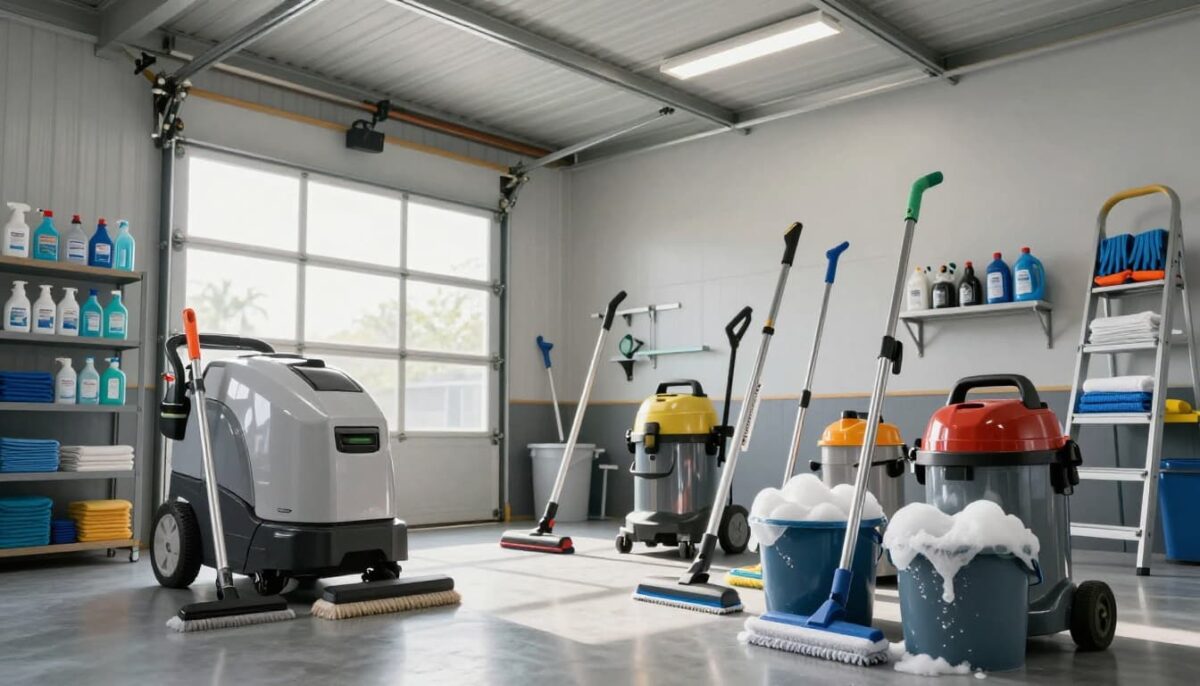
Starting a cleaning company is also inexpensive. Unlike some businesses, you don’t need to spend a vast amount of money on equipment. Just a few hundred dollars is usually all you need to get the equipment to begin providing services.
If you plan on cleaning long-term, you’ll want to invest in the best equipment. Ensuring that you have the items that you need can be a fantastic way to increase your productivity and get more done, even on slow days.
6. You Can Improve Your Work-Life Balance
Finally, starting a cleaning business could be an excellent way to improve your work-life balance.
You can create a schedule that works for you while still meeting your customers’ needs, which is a great compromise.
Who Is A Cleaning Business Best Suited For?
Here are some examples of what type of person a cleaning business is best suited for:
- Younger people
- An energetic type of person
- Someone who is not afraid of dirt
- A person who doesn’t mind getting sweaty and dirty
- People who enjoy cleaning and working with their hands
Last Words: Starting A Cleaning Business Is The Best Decision For Work-Life Balance
Remember, the decision to embark on this journey is not just about work; it’s about crafting a lifestyle that aligns with your values and aspirations.
Starting a cleaning business can help improve your work-life balance. You’ll have the flexibility to set your own hours and take on as much work as you want.
With a cleaning business, you can efficiently juggle work and personal commitments without feeling overwhelmed. Being your own boss allows you to prioritize what matters most to you while still earning a reliable income.
Plus, the demand for cleaning services is ever-growing, offering you a seamless opportunity to embark on a fulfilling career path that provides both financial stability and personal satisfaction.
Starting a cleaning business could be the key to unlocking a harmonious and rewarding life. What are you waiting for?
Frequently Asked Questions About Starting a Cleaning Business from Scratch
Is starting a cleaning business expensive?
It’s often lower-cost than many other businesses. The article notes that a few hundred dollars can be enough to buy basic equipment and supplies to start offering services.
What are the main benefits of starting a cleaning business?
The biggest benefits include being your own boss, greater flexibility in your schedule, low startup costs, and the chance to improve your work-life balance. The article also highlights the higher income potential of keeping the profits.
Can you start a cleaning business with no experience?
Yes, you can start and learn as you go. The article notes that cleaning work helps you build skills such as customer service and people management, which matter as you take on more clients.
How can a cleaning business improve work-life balance?
You can set a schedule that fits your life while still meeting client needs. Since you control your workload, you can take on as much or as little work as you want (based on your income goals).
What tools can help you manage clients and jobs?
The article recommends using janitorial software to organize clients and jobs. Adding a short list of what to track (appointments, invoices, supplies) would make this answer even easier to cite.