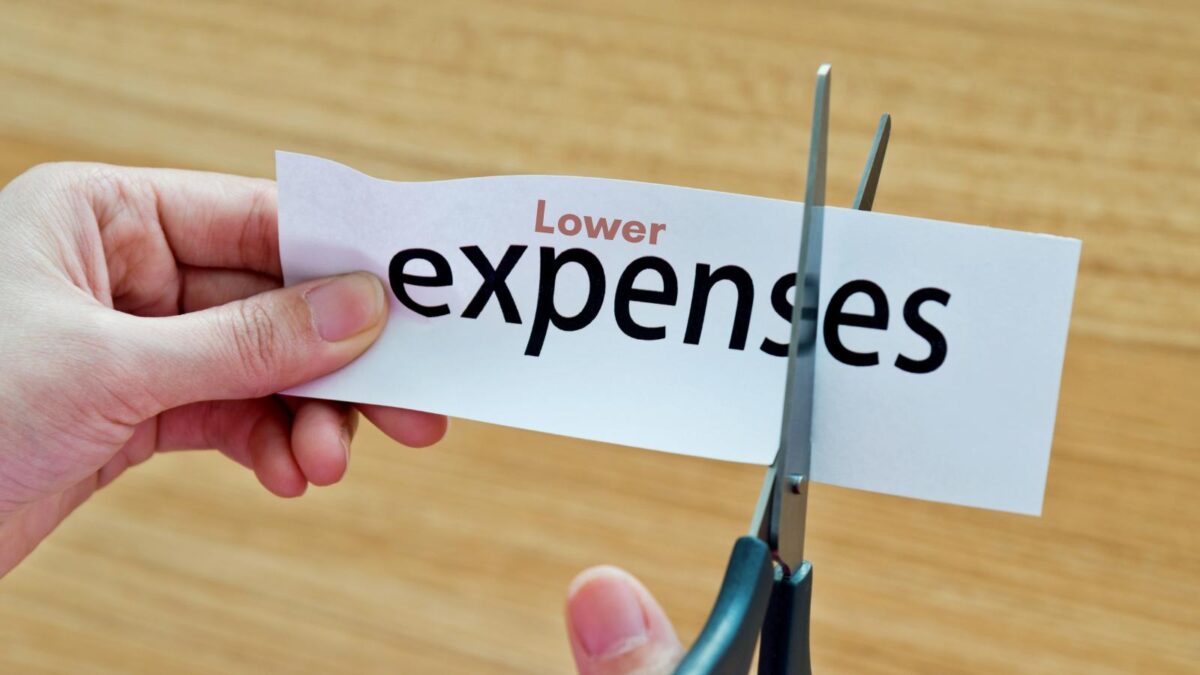
Many small business owners feel stuck before they admit something deeper is off. A business pivot means making a real change to your offering, audience, pricing, sales approach, or business model because the current path no longer fits.
Still, not every slow stretch means you should rebuild everything. The key to achieving sustainable growth is distinguishing between a rough patch and a pattern that keeps draining your business through a strategic shift.
Wondering if it’s time to pivot your business? This Small Biz Tipster post will help you decide.
Table of Contents
Key Takeaways to Pivot Effectively
- Persistent market signals like slipping sales, low repeat buys, or busy-but-unprofitable operations over 3-6 months signal it’s time to consider a business pivot rather than a temporary rough patch.
- Before a full strategic shift, review data on KPIs like close rates and refunds, then test small changes such as price tweaks or audience narrowing to avoid unnecessary overhauls.
- Successful pivots build on your core strengths by offering options such as tighter customer segments, fixed-price packages, or recurring revenue to provide predictable cash flow.
- Manage pivot risks by starting small with pilots, closely tracking metrics, planning contingencies, and clearly communicating changes to customers and stakeholders.
Watch for Market Signals That Your Business Model Is Not Working
One bad month doesn’t mean much. However, six hard months with the same problems deserve attention. If sales keep slipping, profitability erodes, margins stay thin, and every win feels harder than it should, these market signals indicate your model may need to change.

A healthy business shouldn’t need constant rescuing.
Your customers are not buying, or they are buying once and leaving
When people hesitate, object often, or disappear after one purchase, your offer may be off. Sometimes the problem isn’t quality. It’s fit.
- Listen closely to customer feedback on what buyers ask for.
- If they keep wanting something simpler, faster, or more focused, pay attention to shifts in customer demand.
- Weak referrals and low repeat sales often mean a lack of product-market fit with your current offer.
The business is busy, but cash flow and profit remain weak
Busy can fool you. Full calendars and steady orders look good, but they don’t always build a strong business.
For example, custom work can eat hours while leaving little profit. Rising fulfillment costs, heavy discounting, high customer acquisition costs, or a service mix that drains your time all point to poor unit economics and weak profitability.
You’re working hard without enough return on cash flow.
Knowing When to Change Direction vs. Weathering a Hard Season
Not every slump calls for a business pivot or a major change in direction. Sometimes the offer is fine, but the marketing is weak, the price is wrong, or the market is in a temporary dip.
Look at the data before making a major change
Step back and review the last three to six months. Examine key performance indicators such as sales trends, close rates, refunds, repeat orders, and customer comments, along with market research insights.
If leads are poor because follow-up is weak, the fix may be better systems rather than a new model. In that case, improving your B2B sales strategies with automation might solve more than a full pivot would.
Test small changes before you rebuild the whole business
Don’t swing a wrecking ball when a screwdriver will do. Try one smaller shift first, using frameworks like the lean startup methodology to test a minimum viable product before a full business pivot.
You could narrow your target audience, raise one price, simplify one package, or remove a low-profit service. Small tests lower risk and give you real feedback fast.
How to Execute a Successful Business Pivot Strategy
The best pivot strategy usually starts with your core products that customers already buy, trust, and recommend. So, look for your strongest results, easiest sales, and best margins.

Common small business pivot options to consider:
Each option works best when it solves a clear problem you already see. Here are some effective ones:
- Serving a tighter customer segment to focus your efforts where demand is strongest.
- Switching your revenue model from custom work to fixed packages for more predictable income.
- Refining your value proposition through targeted price changes that better match customer needs.
- Adding recurring revenue streams to build stability alongside your strongest offerings.
- Leveraging your competitive advantage by shifting from product-heavy sales to high-margin services, including elements of digital transformation like online delivery.
Managing the Risk of a Strategic Shift
Any business pivot carries uncertainty, so prioritize risk management from the start. Test changes on a small scale first, such as with a pilot group of customers, and monitor key metrics closely.
Build in contingency plans, like fallback options if initial results fall short, to protect your operations during the transition.
Make the shift with a clear plan and honest communication
Align your timeline with emerging market trends, prioritize stakeholder communication by updating your message, and inform current customers about what’s changing. Then track results after the shift.
A good pivot should feel planned, not panicked.
A business pivot isn’t giving up. It’s what smart owners do when the facts no longer match the old plan.
Trust patterns, not panic. If the numbers keep warning you, make the change in direction before a small problem turns into a costly one.
Frequently Asked Questions
What exactly is a business pivot?
A business pivot is a strategic change to your offer, audience, pricing, sales method, or model when the current path no longer delivers sustainable growth. It’s not giving up but adapting to better fit market realities and customer needs. Smart owners pivot based on data, not panic.
How do I know if my small business needs to pivot?
Look for patterns over 3-6 months, such as declining sales, thin margins, one-time buyers, or high effort with low profits despite being busy. Weak product-market fit shows in hesitant customers, poor referrals, or rising costs. If the data confirms these issues persist, a pivot may be needed rather than minor tweaks.
Should I pivot or just improve my current operations?
Distinguish slumps from systemic problems by monitoring KPIs such as sales trends, repeat orders, and customer feedback. If marketing, pricing, or follow-up is the issue, optimize those first—perhaps with better B2B sales strategies. Reserve pivots for when core model flaws drain your business in the long term.
What are some effective pivot strategies for small businesses?
Focus on strengths by making changes such as serving a narrower audience, switching from custom work to fixed packages, or adding recurring revenue streams. Refine pricing to reflect value better, or shift to high-margin services with digital elements. Always test small to validate demand.
How can I reduce risks during a business pivot?
Start with low-stakes tests with a pilot customer group and monitor key metrics such as sales and cash flow. Build contingency plans and align timing with market trends. Communicate honestly with stakeholders and customers to maintain trust through the transition.

I’m Lisa Sicard, founder of Inspire To Thrive.
Small Biz Tipster is my dedicated space for straightforward, no-nonsense tips that help small business owners grow smarter and faster. Voted in the Top 100 Small Business Blogs by Feedspot for 2025 and 2026, and with over 30 years of hands-on digital marketing experience, I share simple strategies here so you can save time on social media, attract more customers, and focus on what you love — running your business. Through Inspire To Thrive, I also provide social media management, training, and consultations.