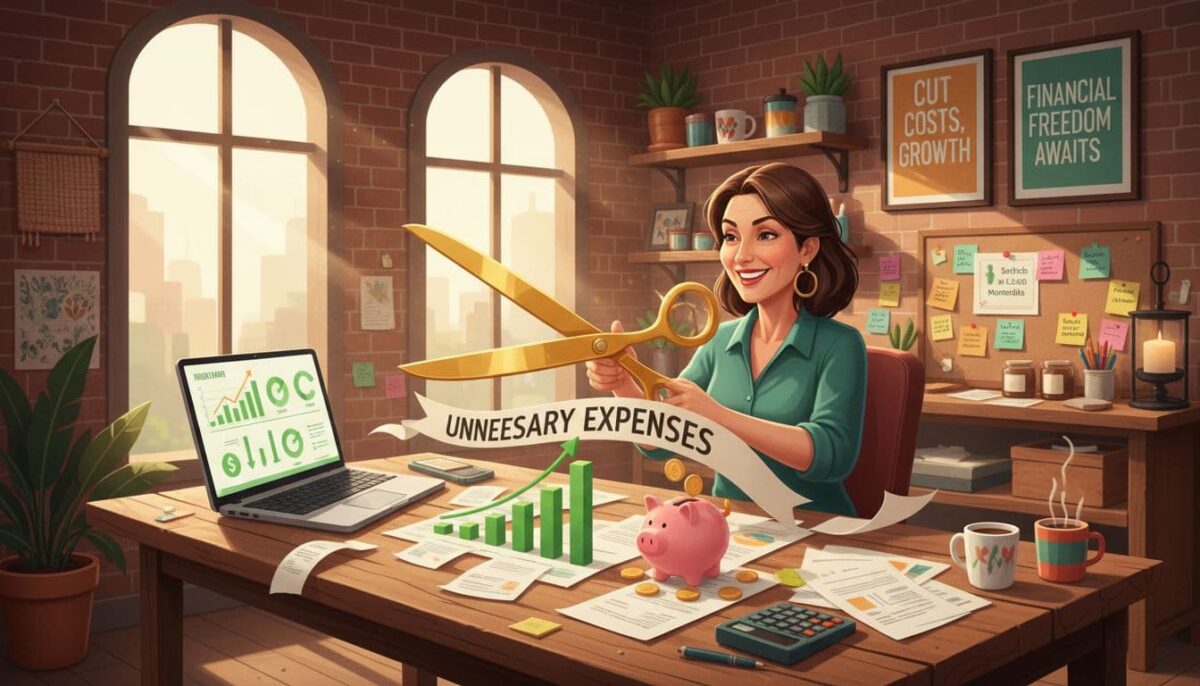
The moment a client says they can’t afford your services, your stomach drops, and your numbers start running through your head fast. If you’ve lost a few clients and your own bills keep climbing, you’re not overreacting; it’s a real cost-cutting moment for your small business.
You don’t need to panic, but you do need to look at your expenses with a clear eye. Let’s get into where to cut first, without hurting the business you’re trying to keep afloat.
Table of Contents
Key Takeaways for Cutting Costs
- Cost-cutting works best when you review all business expenses, rank them by priority, and cut low-value costs first.
- Small businesses should avoid cutting essentials like payroll, utilities, marketing, customer service, and the tools that keep operations running.
- Bartering services, delaying non-essential purchases, and keeping inventory lean can reduce costs without hurting service quality.
- Technology can still be worth the expense if it saves time, improves productivity, or replaces a higher-cost tool.
- The goal of cost-cutting is not to slash everything; it’s to reduce waste while keeping the business stable and competitive.
What is Cost-Cutting?
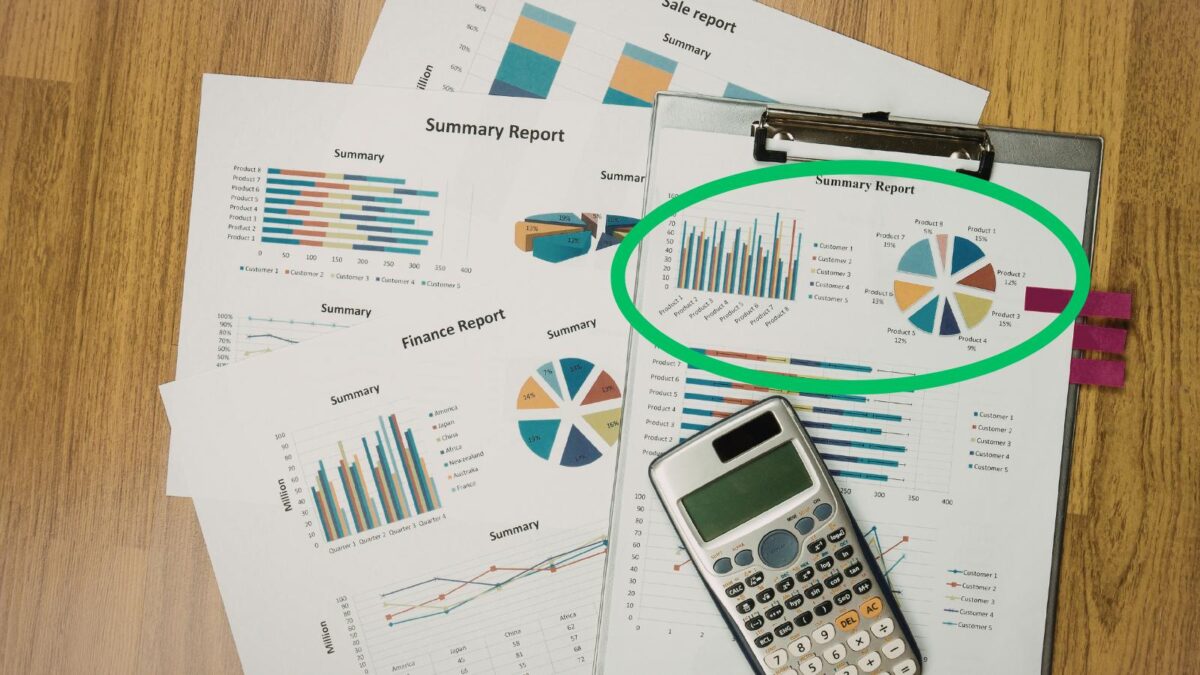
Cost-cutting is the reduction of expenses to increase profitability and improve a business’s financial performance.
It involves identifying areas where spending can be reduced. However, it involves making changes to processes, budgets, or operations to achieve this.
The ultimate goal of cost-cutting is to maximize efficiency and minimize waste while maintaining the quality of the products or services offered.
1. Where should you start cutting costs first?
It is generally good to tighten the budget and cut back on spending when an economy is in a downturn. Still, the timing of such actions can vary depending on the specific situation and the goals of the individual or organization.
It is important to assess current economic conditions carefully, consider potential future developments, and make informed decisions based on that information.
In some cases, it may be necessary to act quickly to reduce expenses and conserve resources, while in other cases, a more gradual approach may be more effective.

2. Where To Start Cost-Cutting Measures
First, review all your expenses to begin cutting costs. Put them on a priority list, with the least at the top and the must-haves at the bottom.
- Cleaning Services
- Membership Fees
- Lunches out
- Bonuses
- Tools To Grow Business
- Employees
- Move to a smaller building
- Cut electricity use
Not all of the above may make sense to use in cost cutting. However, you will start by reviewing your list to determine which items you can cut from your budget for your business to survive.
You need to work through your cost-cutting list before implementing changes in your small business.
3. Which business expenses should you never cut?
Finally, it’s important to avoid unnecessary expenses when cost-cutting for your small business. Many times, we make purchases that seem necessary but actually add extra strain on our budget without providing any real value.
Wait a day or two before making any new purchase expenses. See if you really need the product or service first.
Before making any purchases or investments, ask yourself if they’re really necessary or if there’s another solution available that won’t break the bank.
4. Can You Cut Costs By Bartering Services?
Another great way to save money is by bartering services with other businesses. For instance, if you own a restaurant and need fresh produce, you could reach out to a local farmer and offer your services in exchange for fresh produce at no additional cost.
This is an excellent way to get what you need without spending any money.
It also helps both parties build relationships that could lead to future transactions. I’ve done this a few times with my hairdresser here in Maine. She need help with social media and I did that for a few free haircuts.
5. What To Keep In Your Business Budget When Cost-Cutting
There are several things you will want to keep in your budget—payroll, for example, unless you are cutting employees.
You will need to keep the electricity and probably the internet to stay in business. There are some things that cost-cutting won’t work out well. You may want to consider the following expenses for cost cutting:
- Payroll
- Utilities
- Advertising/Marketing
- Software
- Automation
- Customer Service
There are certain areas of your business where cutting corners is not advisable; these include marketing and customer service.
Advertising campaigns should always remain consistent to maintain brand awareness and reach new customers; likewise, customer service should never be sacrificed to reduce expenses.
“Stopping advertising to save money is like stopping your watch to save time.” – Henry Ford
These two areas are essential components of any successful business model, so it’s important not to skimp on them in order to stay competitive and profitable in the long run.
6. Don’t Skimp On Technology Today When Cost-Cutting
Do not skimp on technology investments, such as software programs or hardware upgrades, that could improve efficiency or productivity within your organization. A solid CRM system, for example, helps you track leads and manage customer relationships without adding staff costs.
Investing in better tools now may seem expensive, but they can deliver significant returns over time through improved performance and increased profits from more efficient operations. According to Meistertask, digital tools improve efficiency — and their data reports back it up.
Recently, I’ve reviewed all the tools I use in my business and decided to keep most of them. I switched from one software tool to another to reduce costs. (I tested it out first to be sure it worked as well as the more expensive version.)
7. Keep Your Inventory Low for Cost-Cutting Strategies
Keeping your inventory low slashes costs in a few clear ways. First, it reduces storage costs since you don’t need as much space for fewer items.
Less inventory means you’re not tying up your cash in products that sit around—freeing up funds for more immediate needs. It also trims down insurance costs, as there’s less to protect.
Plus, with fewer items, the risk of damage, obsolescence, or theft drops. You get to order and restock based on actual demand, avoiding overstocking and potential markdowns.
In short, low inventory helps keep your finances lean and efficient as you are cost cutting.
Conclusion: Making Cost-Cutting Strategy Decisions
Cost-cutting strategies are necessary for any small business looking to stay competitive in today’s market, but it’s important not to cut corners on quality or customer satisfaction in the process.
By automating certain processes, outsourcing when necessary, and investing in quality products and services, small businesses can cut costs without sacrificing their core values or customer satisfaction.
With careful planning and analysis, small businesses can make smart decisions about where to invest their resources to maximize efficiency while keeping expenses low.
Has your small business started to cut costs in 2026? Do you think your business will need to be in the coming months? I’d love to hear about your cost-cutting tips.
Frequently Asked Questions About Cost-Cutting Strategies
What are the best cost-cutting strategies for a small business?
The best cost-cutting strategies start with reviewing every expense and ranking what is essential versus optional. Focus on trimming waste first, such as unused services, unnecessary purchases, and excess inventory, while protecting core areas like payroll, utilities, marketing, and customer service.u003cbru003e
Where should a business start cutting costs first?
Start by listing all current expenses and ordering them by priority. The easiest place to begin is with low-value or non-essential spending, such as extra memberships, lunches out, or services that no longer support daily operations.u003cbru003e
What business expenses should not be cut?
Expenses tied directly to operations and growth usually need to stay in the budget. Payroll, u003ca href=u0022https://smallbiztipster.com/electric-bills/u0022u003eelectricityu003c/au003e, internet, software, marketing, automation, and customer service are all areas that can hurt the business if cut too aggressively.u003cbru003e
Is investing in technology still smart during cost-cutting?
Technology is still worth keeping if it helps you save time, work faster, or replace a more expensive tool. The article already provides a good real-world example of switching software after first testing a lower-cost option.u003cbru003e
How does keeping inventory low reduce costs?
Lower inventory reduces storage needs, u003ca href=u0022https://smallbiztipster.com/business-insurance-estimate/u0022u003ecuts insurance costsu003c/au003e, and frees up cash that would otherwise sit in unsold products. It also lowers the risk of overstock, damage, theft, and markdowns.u003cbru003e

I’m Lisa Sicard, founder of Inspire To Thrive.
Small Biz Tipster is my dedicated space for straightforward, no-nonsense tips that help small business owners grow smarter and faster. Voted in the Top 100 Small Business Blogs by Feedspot for 2025 and 2026, and with over 30 years of hands-on digital marketing experience, I share simple strategies here so you can save time on social media, attract more customers, and focus on what you love — running your business. Through Inspire To Thrive, I also provide social media management, training, and consultations.