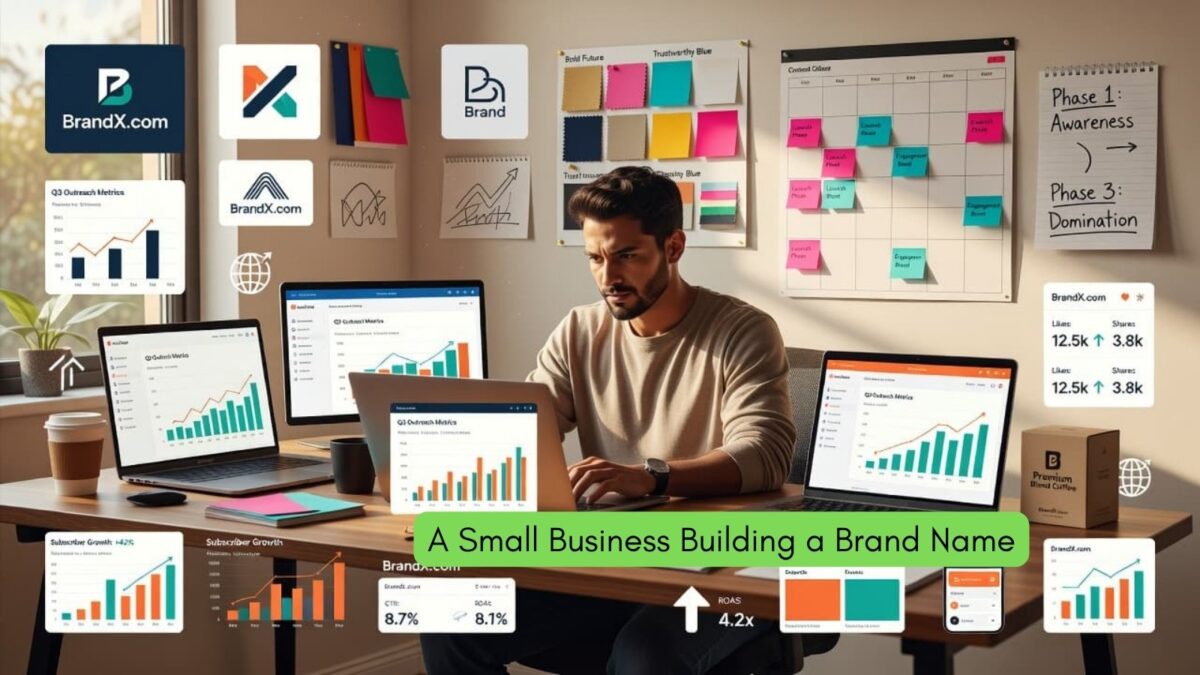
Building big brands might sound like something only big companies can do, but small businesses are proving that’s not true at all. Many of the strongest and most creative brands today are run by people working with tight budgets and small teams.
What sets them apart is their ability to focus on what truly matters and to utilize simple tools and clever ideas to make a significant impact.
If you’re running a small business, there are plenty of ways to build a brand without spending a fortune. From understanding your audience to utilizing free online tools, it’s about working smarter and maximizing the impact of each effort.
Table of Contents
Key Branding Points
- Small businesses can build big brands in 2026 by getting clear on what they stand for.
- Keeping finances organized (separate personal and business money.
- Staying consistent with their message and visuals.
- Using free or low-cost tools for content, email, and social media.
- Consistency and patience beat big budgets.
Start with what your brand stands for
Before considering colors, fonts, or product packaging, it’s essential to understand what your business represents and who it aims to serve. When you’re clear about your purpose, your decisions feel more focused, and your brand becomes easier for people to connect with.
This applies to everything from customer service to the products you sell. So, whether you’re designing a logo or figuring out a brand message, every choice should reflect what makes your business different and why people should care.
Get your money organized from the start
One thing that can hinder small businesses is poor financial management. If you don’t know what you’re spending or where your money’s coming from, it’s harder to plan or grow with confidence. That’s why separating your business and personal money early on is helpful.
A significant first step is to open a business bank account, which provides a clearer picture of your income and expenses. It also helps when it’s time to pay taxes or apply for funding, which makes everything feel a lot more manageable.
Work with what you’ve got, for Building Big Brands
You don’t need a big team or fancy tools to build a great brand. Many successful businesses start with just one person and a smartphone. What matters more is consistency, creativity, and the willingness to learn as you go.
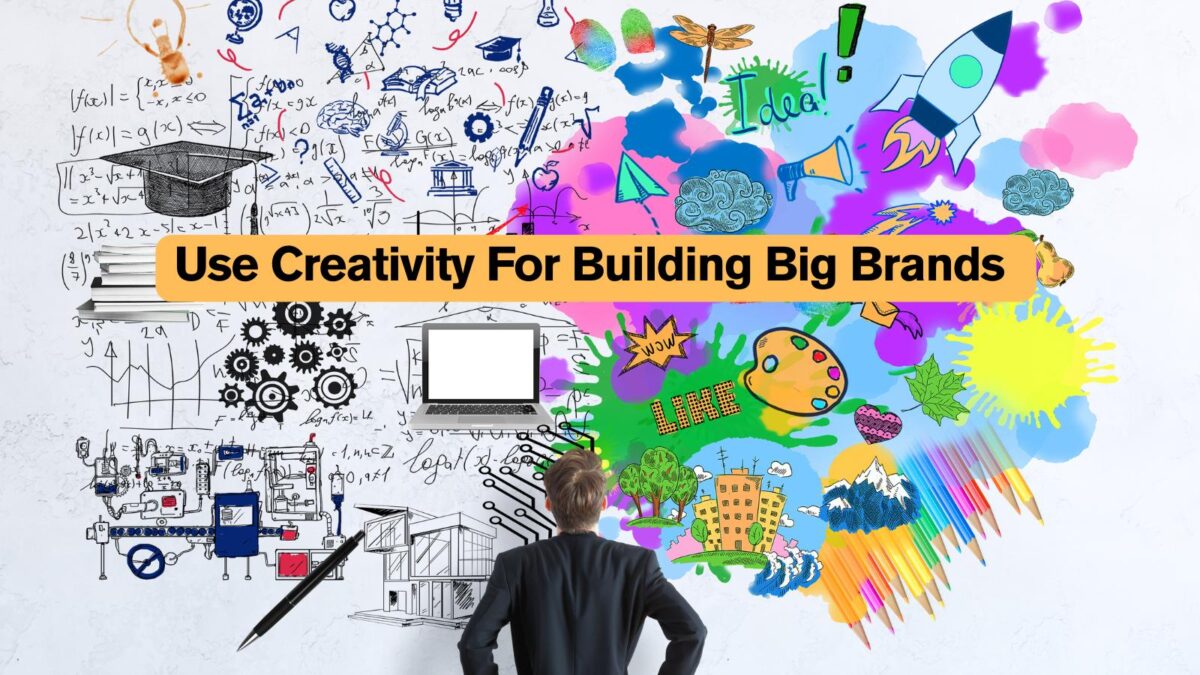
Being small gives you an advantage because it means you can move quickly and try new things without waiting for approval. That kind of speed is often a key difference between growing a small business and a large one, where decisions can take significantly longer and involve greater risk.
Use free and low-cost tools to spread your message
Numerous apps and websites help small businesses appear professional without incurring significant expenses. You can make videos, design graphics, schedule posts, and optimize your content without needing expensive software or marketing agencies.
One of my favorite low-cost tools for building a professional brand presence is FlexClip. It makes creating high-quality videos, social media clips, and marketing content incredibly easy with AI features, templates, and no steep learning curve. Whether you need explainer videos, product promos, or YouTube Shorts, FlexClip helps small businesses look polished without hiring a video team. I’ve been using it myself 👉 check it out here: FlexClip.
To ensure all that great content actually ranks and drives traffic, I recommend Rank Math. This powerful WordPress SEO plugin helps you optimize every post and page with smart suggestions, focus keyword tracking, technical SEO fixes, and rich snippets.
It takes the guesswork out of SEO so your brand story reaches more people organically. I’ve used it across my sites for years 👉 grab it here: Rank Math.
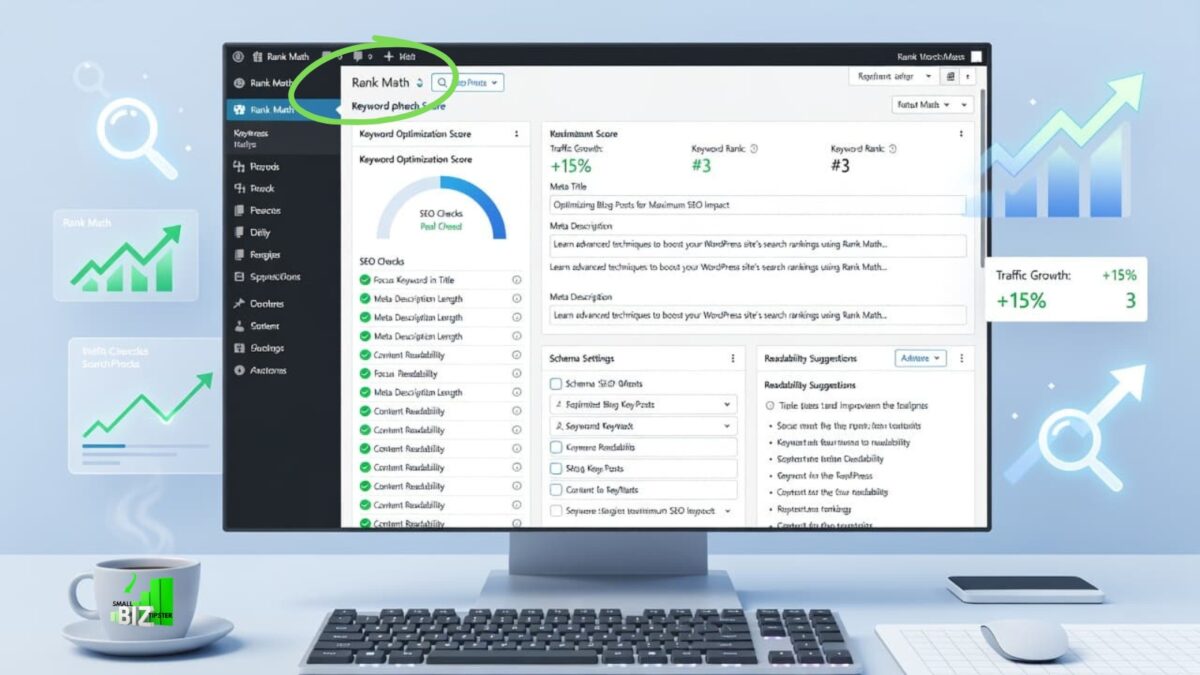
These tools make it easier to test new ideas, grow your audience, and keep your brand active online. Being consistent with your message and visuals helps people remember who you are and what you stand for.
Conclusion: Building Big Brands On A Budget
You don’t need a million-dollar budget to make your brand stand out. With wise choices and the right tools, even small businesses can build a brand people remember.
Focus on what makes you unique, utilize free and low-cost resources, and keep your brand message clear and concise. Social media, email, and content marketing are all within reach—and they help you punch above your weight without overspending.
It’s all about consistency, patience, and putting in the work bit by bit while building big brands. The best part?
You get to shape your own story while staying on budget. Give these strategies a shot and watch your brand grow, even when costs remain low.
Frequently Asked Questions About Building Big Brands
What actually makes a “big brand” if you’re still a small business?
A big brand isn’t measured by company size or budget; it’s measured by recognition, trust, and consistency. When people instantly know what you stand for, who you serve, and why they should choose you, you’ve built real brand strength. For small businesses in 2026, this usually looks like:
•Clear, repeatable messaging across your website, social media, and emails.
•Customers referring you by name because they trust the experience you deliver.
•Standing out in your niche even with limited resources.
It also shows up in simple moments, like someone recommending you by name, or a past client coming back without price shopping.
Where should you start if your brand feels inconsistent?
Start with the foundations and then align everything else. Focus on these four areas first:
Brand promise: What specific result do you deliver?
Target audience: Who is your ideal customer?
Voice & personality: Friendly, professional, bold, approachable?
Visual identity: Consistent colors, fonts, photo style, and logo.
Once those are clear, do a quick audit of your website homepage, social profiles, and main offer pages. Tools like
Rank Math make it much easier to keep your content optimized and consistent for search engines. Get Rank Math here.
How do you stand out when competitors offer the same services?
Get more specific instead of louder. Strong small brands win by clearly communicating:
•Who they serve best
•Their unique approach or philosophy
•The exact experience customers can expect
•Use real customer stories, named processes, and consistent visuals.
•Creating short videos with tools like FlexClip helps you show (not just tell) your brand personality in a way that builds connection fast. Try FlexClip here.
What role do content, SEO, and social media play in building Big Brands?
They’re the main ways your brand gets discovered and remembered when you’re not there.
Content & video build trust and familiarity.
SEO (especially with good tools) brings in qualified traffic searching for solutions.
Social media provides repetition and personality.
The winning formula: Pick 3–5 core topics you want to be known for and repurpose them across formats (blog posts, Shorts/Reels, emails). Consistency beats perfection.
How long does it take for people to remember Building Big Brands?
Most small businesses see meaningful progress in stages:
30–90 days: Better messaging, improved engagement, fewer “what do you do?” questions.
3–6 months: More referrals, repeat visitors, and stronger conversions.
6–12+ months: Steady organic traffic and word-of-mouth growth.
The key is showing up consistently with the same message and visuals. Patience and persistence are what turn a small business into a well-known brand.
Disclosure: This Small Biz Tipster blog post may contain affiliate links. I may earn a commission from qualifying purchases at no extra cost to you. Some sections were drafted with AI tools and carefully reviewed/edited by me.

I’m Lisa Sicard, founder of Inspire To Thrive.
Small Biz Tipster is my dedicated space for straightforward, no-nonsense tips that help small business owners grow smarter and faster. Voted in the Top 100 Small Business Blogs by Feedspot for 2025 and 2026, and with over 30 years of hands-on digital marketing experience, I share simple strategies here so you can save time on social media, attract more customers, and focus on what you love — running your business. Through Inspire To Thrive, I also provide social media management, training, and consultations.