Buying a home is one of the most significant decisions you can make. It’s more than a place to live. It’s a long-term financial decision that can significantly impact your future with a home worth the investment.
When looking at properties, it’s easy to get caught up in surface details like fresh paint or new flooring, but the real value often lies in what you cannot see at first glance.
A smart buyer knows how to look beyond the obvious and find a home that will hold its value. According to Forbes, home prices will stabilize in 2026. That will make it easier for you to find a home to invest in.
Here’s what to focus on when deciding if a home is truly worth the investment.
Table of Contents
Key Takeaways
- A home worth investing in has strong location signals, such as good schools, transit access, and nearby amenities that support demand.
- Check local property value trends and neighborhood growth signs (new businesses, road upgrades, community projects) to judge future price strength.
- Prioritize structure first, including foundation and roof condition, then get a professional inspection before committing.
- Buy for long-term fit, including layout, storage, bedrooms, and room to expand, because flexible homes hold value better.
- Evaluate the surroundings at different times of day, since noise, safety, and upkeep in nearby properties affect resale value.
Property Value Trends
Trends in home values often reflect shifts in local demand, the job market, and broader economic forces. Watching these patterns helps business owners identify opportunities for new homes or more effective investments, especially in growing or changing neighborhoods.
Look at the Location First
The saying that location is the most critical factor in real estate still holds. A great home in a bad area will struggle to increase in value. But a smaller or older home in a good neighborhood can be a substantial investment.
Check nearby schools, public transport, and local shops. Even if you do not have children, school districts can affect property value.
Look for signs of growth in the area. New businesses, road upgrades, and community projects often point to rising demand. This can lead to higher property prices in the future.
Home Worth: Pay Attention to the Structure
A home’s structure is its backbone, so it’s something you need ot look after.
If the foundation is weak or there are major roof issues, repairs can be costly. Always have a professional inspection before making a purchase commitment.
This is also where construction services can be helpful. They can give you a clear idea of what repairs or upgrades might be needed and how much they will cost. Even if a home needs work, knowing the scope of the repairs can help you negotiate a better price.
Solid construction and good maintenance history are strong signs of a property worth investing in. A home worth more in the future is a sign of a good investment.
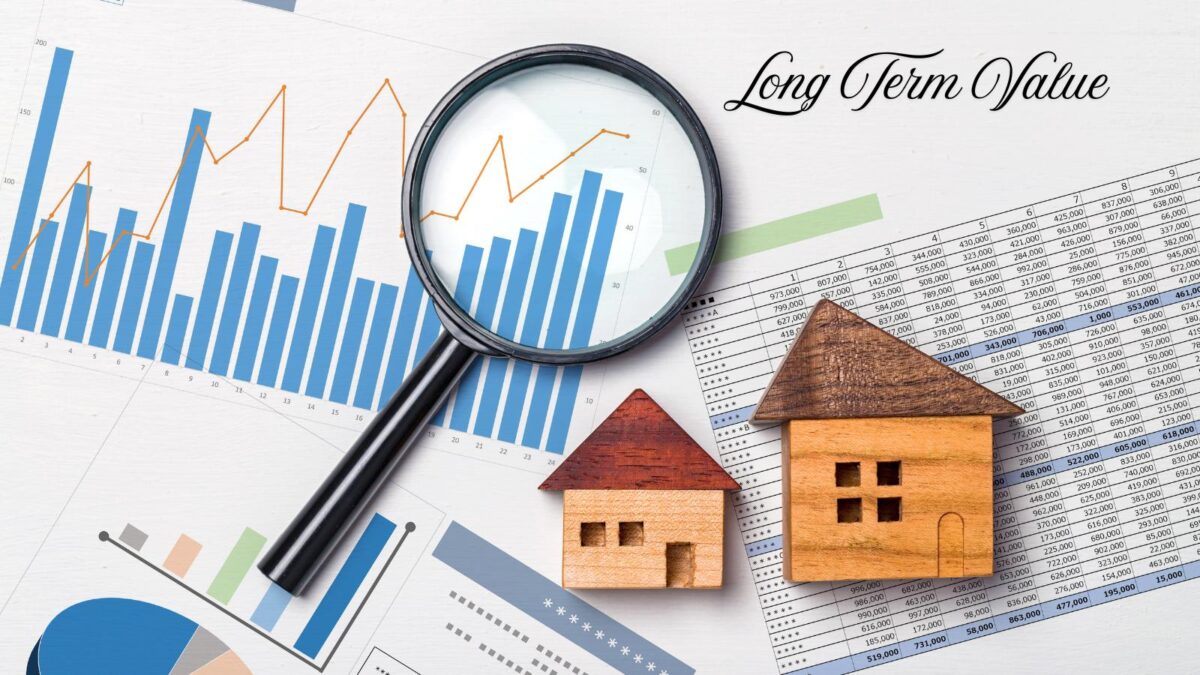
Think About the Long-Term Value of the Home Worth
A home should not just meet your needs today; it should also meet your needs tomorrow. It should also be suitable for your life in five or ten years.
Consider the size of the rooms, the number of bedrooms, and the available storage space. Is there space to expand or renovate later if needed? Flexibility adds value to a property because it enables future changes without requiring a move.
Also, consider the style of the home. Classic designs often retain their appeal longer than trendy styles that quickly date. Neutral colors and simple layouts tend to attract more buyers if you decide to sell.
Do Not Skip the Surroundings
A beautiful home can lose its charm if the surrounding area is noisy, unsafe, or poorly maintained. Walk around the neighborhood at different times of day. Listen for traffic noise and check the general upkeep of nearby properties.
Good neighbors and a well-kept area help protect your investment. Community pride often shows in clean streets, maintained parks, and friendly interactions.
These small details can make a significant difference in daily life and the future value of your property.
Quick Home Worth Investment Checklist (For Busy Owners and Solopreneurs)
Use this as a fast, practical scan before you buy, rent out, or upgrade a property. It’s written for people who care about cash flow, time, and smart risk.
1) Set the goal first (so the numbers make sense)
- Pick your “why” in one line
- Examples: “House hack for 2 years,” “Buy a rental for stable income,” “Live here and build a home office,” “Flip only if margin is strong.”
- Choose your hold time
- 0 to 12 months (flip), 1 to 5 years (mid-term), 5+ years (long-term).
- Your hold time changes what matters most (repairs, taxes, rent demand, loan type).
- Define success metrics
- Monthly cash flow target, max cash out of pocket, minimum cash reserves, minimum return (whatever you can track and stick to).
2) Stress-test your personal finances (before you shop)
- Know your real monthly “burn”
- Include utilities, insurance, car costs, subscriptions, debt, and irregular bills.
- Build a “no drama” reserve
- A practical baseline is 3 to 6 months of living costs.
- If you’re self-employed with uneven income, lean toward the higher end.
- Protect your credit profile.
- Avoid taking out new loans or getting significant card balances right before applying.
- If you must buy equipment for your business, plan it after closing.
- Get clear on your debt-to-income reality
- Your lender will count debts; you should, too.
- If buying a multi-unit, ask how they treat projected rental income (it can help, but rules vary).
3) Lock down your buying budget (not just the price)
- Down payment + closing costs
- Closing costs can include lender fees, title fees, escrow setup, and prepaid items.
- Moving costs and setup costs
- Paint, basic tools, locks, window covers, minor repairs, cleaning, storage, movers.
- “First 90 days” cushion
- Plan for surprises, especially if you’re renting it out or renovating.
- Don’t forget ongoing costs
- Property taxes, insurance, HOA, utilities, trash, lawn care, snow removal, pest control.
- Budget for furniture and office build-out
- If your plan includes a home office, include the real costs (desk, chair, lighting, sound control, and internet gear).
4) Line up funding options (and pick the right tool)
- Pre-approval is your speed advantage
- It helps you move fast and negotiate with less friction.
- Match the loan type to the plan
- Owner-occupied financing can cost less, but you must live there.
- Investor loans can be easier for rentals, but often cost more.
- Watch the interest rate math along with the home worth
- Small rate changes can shift your cash flow more than you think.
- Check penalties and rules
- Ask about prepayment penalties, escrow rules, and required reserves.
- Plan for appraisal gaps
- If the home appraises low, you may need extra cash or renegotiate.
5) Run quick deal math (use simple checks that catch bad deals)
- Estimate monthly cash flow
- Rent (or rent potential) minus mortgage, taxes, insurance, HOA, and basic upkeep.
- Use conservative expense assumptions
- Common “missed” items: vacancy, repairs, capital expenses (roof, HVAC), property management, leasing fees.
- CapEx is real, even in lovely homes
- A new-looking house can still need a water heater next year.
- Stress-test rent
- What happens if rent is 10 percent lower than expected?
- Stress-test repairs
- What happens if you get a $6,000 surprise in year one?
- Don’t count on appreciation
- Treat it as upside, not the plan.
6) Check the neighborhood like an investor, not a tourist
- Look for steady demand
- Proximity to major employers, hospitals, schools, transit routes, and daily needs.
- Scan the “feel” at different times
- Morning commute, late evening, weekends. Noise and parking show up fast.
- Compare rental competition
- Look for similar bed and bath counts, parking, laundry, and pet rules.
- Watch for hidden deal-killers
- Flood risk, heavy traffic noise, train lines, flight paths, or nearby industrial areas.
- Track price cuts and days on market for a home worth
- Lots of price cuts can mean a softer area, or overpriced listings.
7) Confirm the property fits your strategy (on day one)
- Layout and function
- For rentals, odd layouts can hurt rent and tenant quality.
- For house hacking, privacy between units or rooms matters.
- Parking and storage
- These can raise rent and reduce tenant turnover.
- Safety basics
- Secure doors, good exterior lighting, safe stairs, and working smoke and CO detectors.
- Internet quality
- For a home office or remote-friendly rental, reliable service can be a deciding factor.
- Pet friendliness
- Pet policies can shift demand. Check yard, flooring, and local norms.
8) Inspect smart (and ask for proof)
- Get a solid home inspection
- Focus on roof age, foundation, drainage, HVAC age, electrical panel, and plumbing condition.
- Ask for permits for major work
- Unpermitted renovations can become your problem later.
- Check for water issues
- Look for staining, musty smells, poor grading, sump pump history, and gutter flow.
- Test windows and doors
- Drafty openings drive up energy costs and complaints.
- Scan for pests
- Termites and rodents are common in many areas. Please don’t ignore it.
- Sewer scope (often worth it)
- Sewer line repairs can be costly and disruptive.
9) Verify the legal stuff (so you don’t buy a headache)
- Title and ownership
- Confirm a clean title and understand any liens or claims.
- Zoning and rental rules
- Check short-term rental rules if that’s part of your plan.
- HOA documents (if applicable)
- Look for rental caps, pet limits, parking rules, special assessments, and reserve funding.
- Tenant rules if it’s occupied
- Review leases, deposits, rent roll, and local tenant protections.
- Insurance requirements
- Flood zones or older systems can raise premiums or limit coverage.
10) Price your offer in real terms, not just the number
- Use home worth comps that actually match
- Same neighborhood, similar size, similar condition, sold recently.
- Request the right concessions
- Repairs, credits, rate buydowns, closing cost help, or appliances.
- Protect yourself with contingencies
- Inspection, financing, appraisal, and review periods. Know your deadlines.
- Keep your repair tasks credible
- Focus on safety and big-ticket items (roof, HVAC, active leaks), not minor scuffs.
11) Plan the “day after closing” operations
- Set up a repair and vendor list
- Plumber, electrician, HVAC tech, handyman, locksmith, cleaner, lawn care.
- Create a simple maintenance calendar.
- HVAC filters, gutter cleaning, smoke detector checks, and seasonal servicing.
- Decide on property management early.
- Self-manage only if you have time, systems, and a calm response to emergencies.
- Build your “tenant-ready” standard
- Consistent paint color, durable flooring, strong locks, and clean appliances.
- Document everything
- Photos, receipts, warranties, manuals, and a folder for permits and reports.
12) Protect your time and focus (small business owners need this)
- Set boundaries around renovations
- A never-ending project will eat your work hours and energy.
- Avoid “special” materials and custom fixes
- Standard parts and simple finishes reduce future repair costs.
- Think about noise control
- For home offices: rugs, door seals, basic acoustic panels (cheap, high impact).
- Plan the workspace early
- Outlet locations, lighting, video-call background, and a backup internet plan.
13) Tax and record-keeping basics (keep it clean from the start)
- Separate property finances
- Dedicated bank account and a simple tracking system.
- Track capital improvements vs repairs
- Improvements often get treated differently from repairs at tax time.
- Keep mileage and travel notes
- If you visit the property for management tasks, log it properly.
- Know your local tax rules
- Property tax jumps after purchase happen in some areas. Plan for it.
14) Exit plan (so you’re never stuck)
- List your top exit options
- Sell, refinance, rent long-term, rent mid-term, or move and keep it.
- Know what would make you sell
- Example triggers: major job change, rising HOA fees, significant repairs, weak rent demand.
- Watch liquidity
- Real estate is slow to sell. Keep enough cash outside the property.
Takeaway
A substantial home investment is simple on paper: buy with a clear goal, run conservative numbers, confirm the property’s condition, and protect your time with systems. If a deal only works with best-case assumptions, it’s not a deal, it’s a gamble.
Final Thoughts: Is your Home Worth The Investment?
Finding a home worth your investment means looking deeper than fresh paint or new fixtures. It’s about location, structure, potential, and surroundings.
Ask questions, conduct your research, and avoid rushing the process. A property that ticks all the right boxes will give you more than a roof over your head.
It will give you stability, comfort, and long-term value. You’ve worked hard for your money, so you want it to work for you now.
When you combine practical checks with a vision for the future, you put yourself in the best position to make a wise real estate choice.
Frequently Asked Questions About Buying a Home Worth the Investment
What makes a home “worth the investment” in 2026?
A home is worth the investment when it has a strong location, sound structure, long-term usefulness, and a well-kept surrounding area. The article also points out that surface updates (paint, floors) matter less than fundamentals that protect resale value.
Why is location still the most significant factor for property value?
Location drives demand. The article highlights practical checks, such as school districts, public transportation, and nearby shops. It also recommends watching for growth signals, such as new businesses and road upgrades, since they can push prices up later.
What structural issues should I take seriously before buying?
Treat foundation problems and major roof issues as high-risk because repairs can get expensive fast. The article recommends getting a professional inspection before you commit and using a construction pro to estimate the scope and cost of repairs so you can negotiate.
How do I judge a home’s long-term value before I buy?
Start with day-to-day function and future flexibility. The article calls out room sizes, bedroom count, storage, and whether you can expand or renovate later. It also notes that classic designs and simple layouts tend to appeal to more buyers over time.
How can the neighborhood surroundings affect resale value?
Surroundings shape both your daily life and future demand. The article suggests walking the area at different times of day, listening for traffic noise, and checking upkeep nearby. Clean streets, maintained parks, and community pride help protect value.