
I used to write blog posts at night after my day job, half-excited and half-unsure about starting a side hustle. Could a little blog actually make money?
I kept going anyway. I wanted a side hustle that fit my life and offered a flexible schedule, not the other way around.
Fast forward to 2026. With clever use of digital tools, a simple content plan, and steady habits, my side hustle became a real business.
In this Small Biz Tipster post, I’ll share what worked, where I stumbled, and how I finally made the jump from part-time to full-time. If you want a path you can follow, this is it.
Table of Contents
Starting Small: Launching My Blog Side Hustle on a Shoestring Budget
I started by writing about social media tips in the pockets of my day for Inspire To Thrive. I used a free Blogger blog before switching to a WordPress theme to set up my website, a basic email tool, and social platforms to share posts, all with low startup costs.
I committed to one post a week, then stuck to it for months. The early goal was simple, not perfect. Publish and learn.
I built an email list from day one. I offered a short checklist and added a signup form on each post. That list became my core audience.
AI Tools
In 2026, I used AI tools to brainstorm headlines, refine outlines, and repurpose content into short videos. Low-cost tools made me consistent. Enjoying the process kept me moving when results were slow.
- First steps that worked for me: pick a tight topic, post weekly, build an email list, share on one social channel.
- A Smart helper: simple AI tools for content ideas and topic clustering.
Picking the Right Niche
I chose small-business topics I knew well, such as growth tips, content planning, and daily operations. I paid attention to the questions people kept asking me. That became my topic map.
You can do the same:
- List your top skills and wins as you build a portfolio of your work.
- Leverage existing skills by matching them with market demand.
- Scan 2026 side hustles—like content creation and digital products (e.g., selling digital files)—then niche down.
If your passion is a hobby, start here: Turn Your Hobby into a Profitable Side Hustle.
After the Inspire To Thrive blog, I started Small Biz Tipster because I met with small businesses all day in my day job as a sales representative for a prominent daily newspaper. I understood many of the problems the small companies had daily.
Building Habits to Grow Your Side Hustle Consistently
I wrote in the early mornings and spent 20 minutes online each day. Small, steady actions stacked up. I tested ideas part-time before rolling out bigger offers for my small business.
Progress felt slow at times, but the habit made it inevitable.
A few habits you can copy:
- Set two blocks of time for deep work on weekdays, early in the morning before my day job.
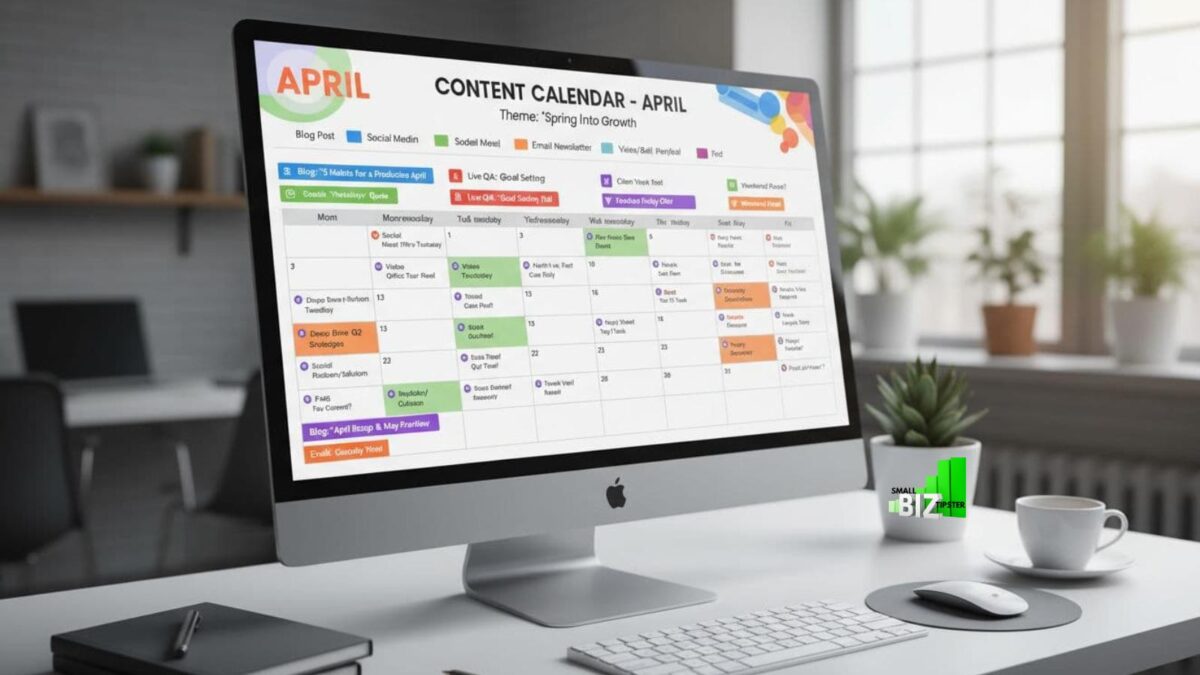
- Use a simple content calendar.
- Track one small win daily to stay motivated.
Overcoming Hurdles: What Kept My Side Hustle from Failing
My early traffic was tiny. I felt burned out and second-guessed everything about my side hustle. What helped was learning basic SEO and joining helpful communities.
I reinvested small earnings to invest in better tools, such as keyword research and email software. In 2025, I used AI to draft outlines and ads, then I edited for voice and accuracy.
If you want a structured guide to going full-time, the U.S. Chamber of Commerce has a clear overview: How to Turn a Side Hustle Into a Full-Time Business. It aligns with what worked for me: reduce risk, keep learning, and scale step by step.
Handling Time and Energy Drains in Your Journey
Time was tight for my side hustle. I batched content on Sundays, set clear work hours, and protected my evenings. When I hit a ceiling, I turned to freelancing by hiring freelancers for editing and design.
That freed me to write, sell, and serve readers without burning out to start a side hustle.
Marketing Mistakes I Made and How to Avoid Them
I started with prices that were too low and without a clear marketing strategy. I also said yes to every new client, which drained time and energy.
I raised rates, defined my ideal client, built a robust portfolio with high-quality work, and ended a few contracts. After that, I began offering consulting services. The work improved, and the business grew.
Scaling Up: The Moment I Made My Side Hustle My Full-Time Business
When my blog income started to match my salary, I treated it like a test. After three steady months, I went full-time in 2017.
I hired help, grew the content library, and added revenue streams like affiliate marketing, services, and online courses to generate extra income, tutoring, and passive income. Then, I focused on the audience’s most significant problems and built offers around them.
Want inspiration from another builder’s path? This story shows what focused execution can do: a 34-year-old turned a Fiverr side hustle into a full-time business. Different niche, same pattern: iterate, validate, and scale.
The One Mistake I Made Starting My Side Hustle
The one mistake I made in the beginning was not pricing my services high enough from the get-go. As I gained new clients, I began charging more for my services, and I had to increase the rates for the original clients after a few years.
Making Gains
If you’ve got old clients paying low rates, don’t rush to drop them; upsell them. You already have trust, so add a new service that fixes a clear pain point and ties to what they hired you for.
I did it with Google My Business services for my social media management clients.
Start with a quick check-in, share one or two results you’ve delivered, then offer a simple add-on with a clear outcome and price (not a vague “more support” pitch). Think: monthly reporting, a content refresh, email setup, review management, basic bookkeeping cleanup, or a quarterly strategy call, whatever fits your side hustle.
Package it as tiered options so they can say yes without a lengthy back-and-forth. Keep it tight, set a start date, and bill it as a separate line item so your low base rate doesn’t drag down your income.
Key Metrics to Track When Growing Your Business
I kept a simple tracker that guided my financial planning for scaling decisions:
- Traffic: website traffic with unique visitors and top pages.
- Engagement: email opens, click rates, comments.
- Revenue: month-over-month growth by offer.
- Time spent: hours per task, weekly.
If a post brought traffic and signups, I doubled down. If an offer underperformed, I refined or dropped it.
Conclusion: Building Your New Small Business
I grew this small business by starting small, fixing mistakes fast, and building steady habits. When the results showed up, I scaled with care.
You can do this too. Pick a niche you enjoy, use today’s tools, and commit to weekly action.
If you want idea sparks to make money and generate extra income, browse a list like 41 Side Hustle Ideas to Earn Extra Money in 2026, which includes options like freelance writing. As well as for virtual assistant services, tutoring, creating a local service business, reselling items, dropshipping, event planning, real estate investing, rental properties for passive income, and even specialized areas like working with Salesforce tools.
Then choose one to start a side hustle—begin making money on your terms—and build from there to earn extra income with a flexible schedule. Start a side hustle today and watch your efforts pay off.
From Side Hustle to Small Business in 2026: Your FAQ
How do I know it’s time to go full-time?
You have steady demand, repeat customers, and profits for at least 3 to 6 months. Your calendar is complete, you can’t keep up on nights and weekends, and you see clear growth that you can’t unlock while part-time.
What’s the first step to formalizing my business?
Pick a legal structure, often an LLC, for simple protection. Register with your state, get an EIN, open a business bank account, and set up basic bookkeeping.
How much cash should I save before I quit my job?
Aim for 3 to 6 months of personal expenses, plus 3 months of business costs. If your sales are seasonal, add an extra cushion.
What should be in a simple business plan?
Keep it short. Define your offer, audience, pricing, marketing channels, costs, and monthly goals. Add a sales forecast and basic cash flow plan.
How do I price without undercutting my Side Hustle?
Price for profit, not just to win the sale. Add up direct costs, time, tools, and taxes. Set a floor rate and enforce it.
What numbers should I track from day one?
Track revenue, profit, cash on hand, average order value, and repeat purchase rate. For services, track billable hours, utilization, and lead sources.
How do I handle taxes as I grow?
Set aside a fixed percent of every sale for taxes. Use separate accounts, track expenses, and file quarterly estimates. Consider a CPA once income grows.

I’m Lisa Sicard, founder of Inspire To Thrive.
Small Biz Tipster is my dedicated space for straightforward, no-nonsense tips that help small business owners grow smarter and faster. Voted in the Top 100 Small Business Blogs by Feedspot for 2025 and 2026, and with over 30 years of hands-on digital marketing experience, I share simple strategies here so you can save time on social media, attract more customers, and focus on what you love — running your business. Through Inspire To Thrive, I also provide social media management, training, and consultations.