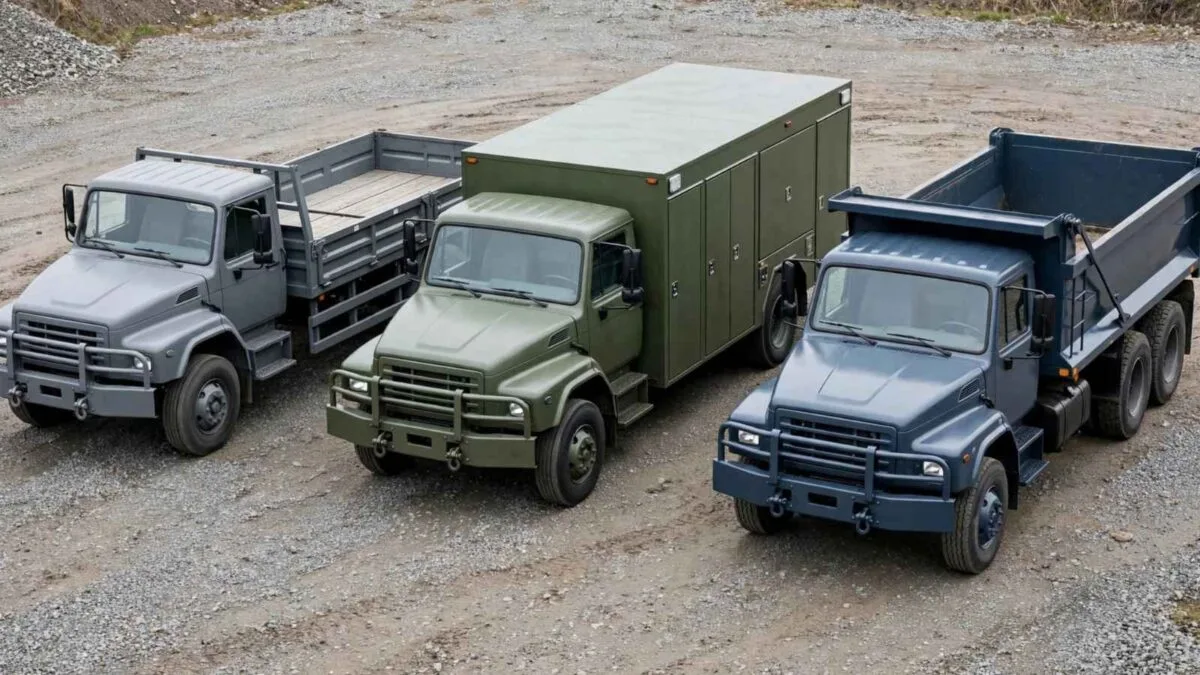
Work trucks last longer when owners control the everyday wear and tear that gradually wears down tires, suspension parts, and driveline components. A practical maintenance system also reduces unexpected downtime, helping small businesses keep jobs on schedule and avoid rushed repair decisions.
Daily load records, scheduled inspections and clear driving rules give you useful information before minor wear becomes an expensive failure.
These habits are straightforward enough to use across a small fleet without adding complicated paperwork.
Table of Contents
Track Daily Payload Limits on Work Trucks
Record the weight each work truck carries and compare it with the payload rating on the door label or in the owner’s manual. Payload includes workers, tools, equipment, and cargo, so a truck can exceed its rating sooner than expected. Repeated overloading puts extra heat on the tires and brakes while increasing strain on the wheel bearings, springs, and shocks.
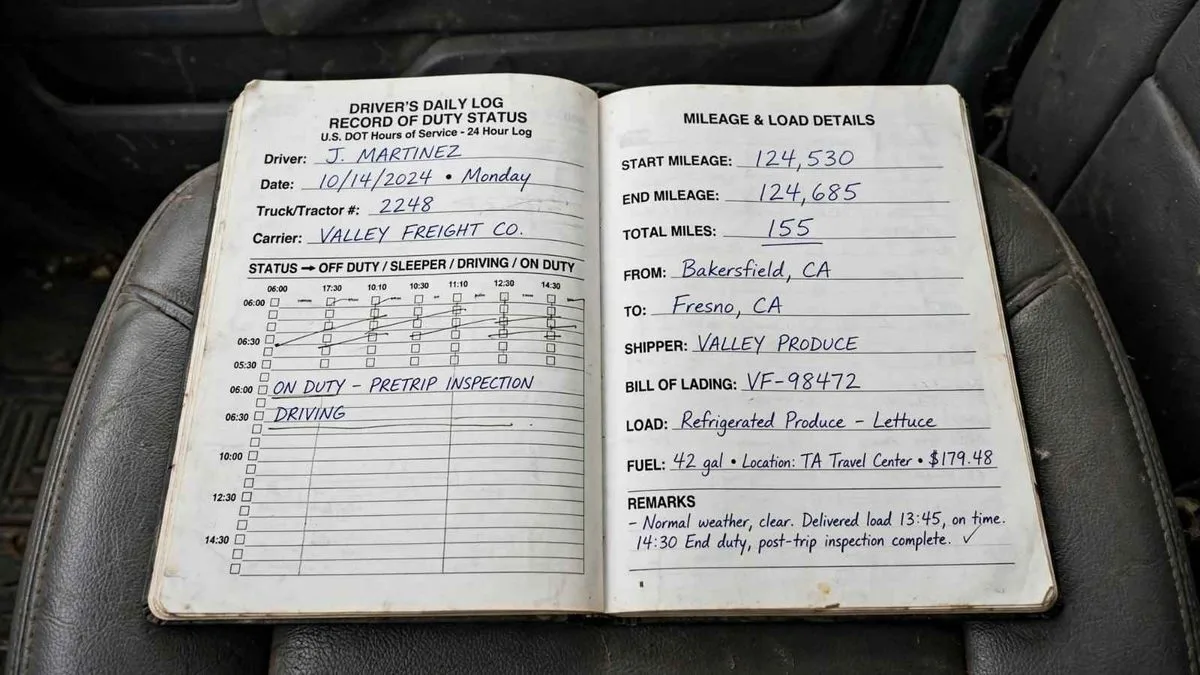
Give drivers a simple paper log or mobile form for daily estimates. If one truck regularly carries close to its limit, redistribute supplies or assign a better-suited vehicle. Also weigh a fully loaded truck at a commercial scale occasionally.
That real measurement can expose inaccurate estimates and help you plan routes without unnecessarily stressing the vehicle.
Rotate and Inspect Running Gear
Set tire rotations according to the manufacturer’s schedule, then shorten the interval if trucks spend long hours on rough roads or carry heavy loads. During each rotation, inspect:
- Tread depth.
- Sidewalls.
- Valve stems and wear patterns.
- Uneven wear may indicate poor alignment, excessive pressure, or worn suspension parts.
- Include wheels in the same inspection.
Look for cracks, bends, damaged mounting holes and corrosion around contact surfaces. If damage requires replacement, confirm load capacity, diameter, width and offset before ordering truck wheels.
Correct fitment protects clearance around brakes and suspension components. Record every rotation and repair by mileage so recurring problems become visible before they cause roadside downtime.
Invest in Robust Work Truck Wheels
Select wheels based on verified load ratings and the truck manufacturer’s fitment requirements. Appearance may influence a purchase, but commercial use demands parts that can handle the vehicle’s actual operating conditions. A landscaping truck that crosses curbs and rough job sites faces different stress from a delivery truck working mostly on paved streets.
Ask a qualified installer to check mounting surfaces and tighten fasteners to the specified torque. Recheck torque after the initial break-in period recommended by the installer or manufacturer. Tire pressure also deserves a cold check at least once a week. Underinflation creates heat and shoulder wear, while overinflation can reduce traction and accelerate center wear.
Keep an accurate pressure gauge in every truck so drivers can report changes early.
Enforce Safe Driving Protocols for Work Trucks
Write a short driver policy covering speed limits, following distance, pre-trip checks, and reporting procedures. Smooth acceleration and gradual braking reduce wear on tires, brakes, transmissions and driveline parts. The 51 ways to improve fleet safety offer practical ideas that managers can adapt for daily operations and driver meetings.
Require drivers to inspect the lights, mirrors, tires, and any visible leaks before leaving. The commercial motor vehicle safety guidance also provides a useful reference for building consistent inspection and operating practices. Drivers should report vibration, steering pull, unusual sounds or warning lights immediately.
A ten-minute inspection at the shop often costs far less than continuing a route until a damaged part affects other systems.
Conclusion: Extend the Life of Your Work Trucks
Long service life comes from acting on small warning signs while repairs are still manageable. Review each truck’s vehicle details, load records, tire wear, and driver reports once a month, then schedule work based on the patterns you find.
A recurring pressure loss or alignment issue deserves attention before the next busy week puts the truck under heavier demand.
Disclosure: This Small Biz Tipster blog post may contain affiliate links. I may earn a commission from qualifying purchases at no extra cost to you. Some sections were drafted with AI tools and carefully reviewed/edited by me.

I’m Lisa Sicard, founder of Inspire To Thrive.
Small Biz Tipster is my dedicated space for straightforward, no-nonsense tips that help small business owners grow smarter and faster. Voted in the Top 100 Small Business Blogs by Feedspot for 2025 and 2026, and with over 30 years of hands-on digital marketing experience, I share simple strategies here so you can save time on social media, attract more customers, and focus on what you love — running your business. Through Inspire To Thrive, I also provide social media management, training, and consultations.