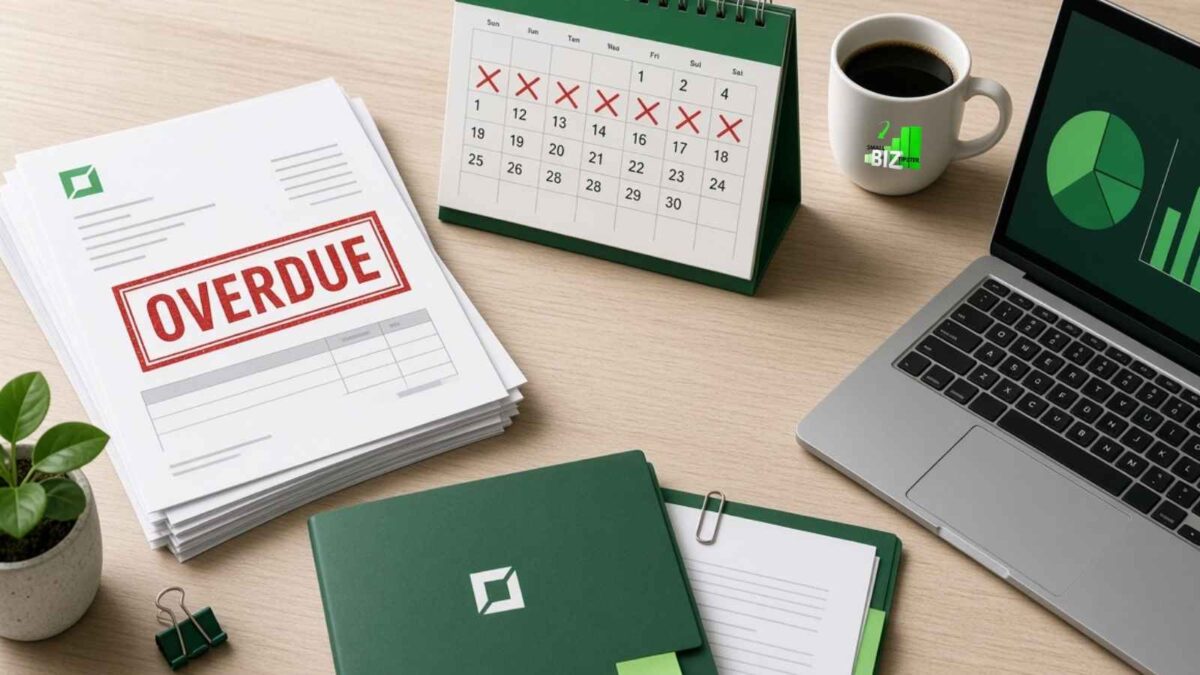
I’m dealing with this right now. A client is three months behind on payment, and the time spent chasing late payments keeps pulling focus from sales, client work, and everything else that actually moves the business forward. Chasing late payments quickly becomes more expensive than the invoice itself.
Chasing late payments consumes far more than the value printed on an accounts receivable report. Each reminder, account check, and follow-up call pulls attention away from sales, customer service, and daily operations. Cash flow also becomes harder to predict when expected payments arrive weeks after their due dates.
A clear collection process helps you recover money without turning every overdue account into a confrontation. The first step is to understand the true cost of chasing payment, then match your response to the age and circumstances of the debt.
Table of Contents
Calculate Wasted Administrative Hours Chasing Late Payments
Track every task connected to overdue invoices for one month. Include checking bank deposits, reviewing records, resending documents, writing emails, and making calls. If an employee spends four hours each week on collections at a total employment cost of $30 per hour, late payments create an administrative cost of about $480 per month before any financing costs.
The hidden costs of late payments can extend beyond administrative time by affecting supplier terms and access to working capital. Use accounting software to automate reminders at set intervals, such as three days before the due date and one, seven, and 14 days afterward.
If unproductive follow-ups have already swallowed hours, learning to stop dwelling on wasted time can help you redirect your attention towards actions that still produce results.
Protect Commercial Vendor Relationships
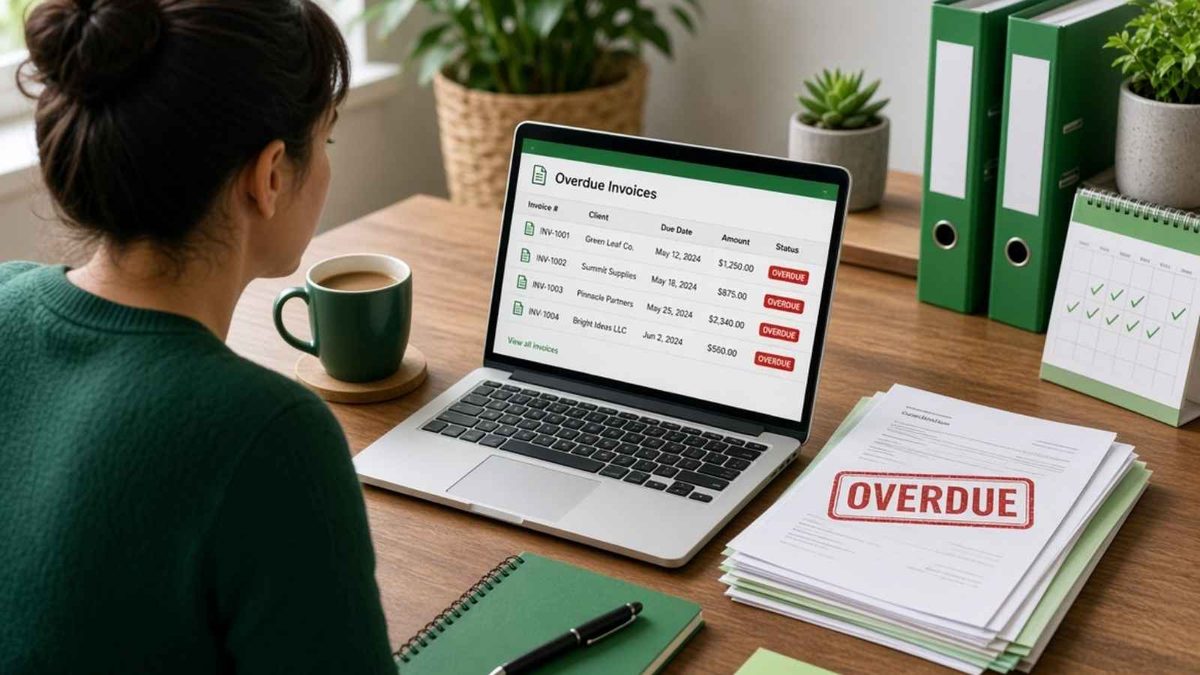
Start with a courteous reminder, as late payment may result from an overlooked email, incorrect contact details, or an internal approval delay. Attach the invoice, state the original due date, and ask the customer to confirm the payment date. Keep every message factual and save a written record of calls.
Escalate gradually if the promised date passes. A formal letter should identify the amount owed, relevant invoice numbers, and a firm response deadline.
Giving the customer a clear opportunity to settle the account can preserve a useful commercial relationship while showing that overdue balances will still be followed up consistently.
When to Seek Professional Debt Recovery
Set escalation rules before a difficult account tests your patience. Professional help may be appropriate when the customer disputes accepted work, repeatedly fails to make payment, or stops responding. Scottish businesses, landlords and individuals dealing with persistent unpaid accounts may consider professional debt recovery support for steps ranging from pre-litigation correspondence to court action and enforcement.
The amount owed should justify the likely time and expense, so gather the contract, invoice, delivery records and complete message history before asking for advice. Early guidance can also clarify which recovery options are proportionate before the dispute becomes more costly.
Consider the debtor’s financial position too. A structured payment plan may yield better commercial results when a reliable customer experiences a temporary cash shortage. However, unexplained silence and shifting excuses call for tighter deadlines.
Research on the business impact of late payments shows that unpaid invoices can constrain investment and day-to-day operational decisions. Acting before several accounts accumulate reduces the risk of one customer’s delay affecting your own obligations.
Scripts That Encourage Fast Settlement
Effective collection messages are brief, specific, and easy to answer. Your first reminder could say: “Invoice 1042 for $2,400 was due on October 15. I’ve attached another copy for reference. Please confirm the payment date or let me know today if any information is missing.”
After a broken promise, use firmer wording: “We haven’t received the payment scheduled for October 22. Please arrange settlement by October 25 or contact us today to discuss a realistic payment plan.” Avoid emotional language, accusations, and vague requests to pay “as soon as possible.”
Close each message with one requested action and one deadline. Include payment instructions so the customer doesn’t need to search for them. If they raise a genuine dispute, acknowledge it promptly, identify the exact point at issue, and set a date for resolving it.
A simple overdue-invoice policy keeps collection decisions consistent. Record the promised payment date after every conversation and schedule the next action immediately. That small habit prevents overdue accounts from disappearing into a crowded inbox and makes it clear when routine reminders have stopped working.
FAQS
How much time does chasing late payments really take?
Many small businesses lose several hours a week on reminders, calls, and follow-ups. At $30/hour, even four hours a week adds up to roughly $480 a month in administrative cost before any financing fees.
When should I escalate an overdue invoice?
Start with a friendly reminder. If the promised date passes, send a firmer email with a clear deadline. Consider professional debt recovery if the client stops responding, repeatedly breaks promises, or disputes the work that has been accepted.
Can I set up automatic payments to avoid this?
Yes. In one recent case, I worked with a client who was three months behind. We set up automatic bank payments going forward. The first regular payment arrived today, turning an ongoing chase into a predictable deposit.
What should a late-payment reminder include?
Keep it short and specific: invoice number, amount, original due date, a new deadline, and clear payment instructions. Avoid emotional language or vague requests to pay “as soon as possible.”
Do late payments affect more than cash flow?
Yes. Beyond the unpaid invoice, they can hurt supplier terms, force you to use credit, delay investments, and pull focus away from sales and client work.
Conclusion: Chasing Late Invoices
Chasing late payments doesn’t have to become a permanent drain on your time and cash flow. With a clear process, consistent follow-up, and the right tools, you can recover what’s owed while protecting the relationship.
In my own case, I worked with a client who had fallen three months behind. We set up automatic bank payments going forward so the balance wouldn’t keep growing. The first of those regular payments arrived today.
That one change turned an ongoing chase into a predictable deposit and freed up hours I can now spend on work that actually grows the business. A simple system like this keeps overdue invoices from quietly consuming your resources.
Disclosure: This Small Biz Tipster blog post may contain affiliate links. I may earn a commission from qualifying purchases at no extra cost to you. Some sections were drafted with AI tools and carefully reviewed/edited by me.

I’m Lisa Sicard, founder of Inspire To Thrive.
Small Biz Tipster is my dedicated space for straightforward, no-nonsense tips that help small business owners grow smarter and faster. Voted in the Top 100 Small Business Blogs by Feedspot for 2025 and 2026, and with over 30 years of hands-on digital marketing experience, I share simple strategies here so you can save time on social media, attract more customers, and focus on what you love — running your business. Through Inspire To Thrive, I also provide social media management, training, and consultations.