Customer-first product development starts with a specific problem that customers already experience. Product teams gather direct evidence, define the desired outcome, and build the smallest useful solution before committing major resources. This process reduces the risk of creating features that look impressive but receive little use.
For small businesses, the approach also brings discipline to product decisions. Instead of letting internal opinions determine the roadmap, teams can connect each proposed feature to customer feedback, observed behavior, and a measurable result such as fewer support requests or faster task completion.
Table of Contents
Listen to Unfiltered Customer Pain Points
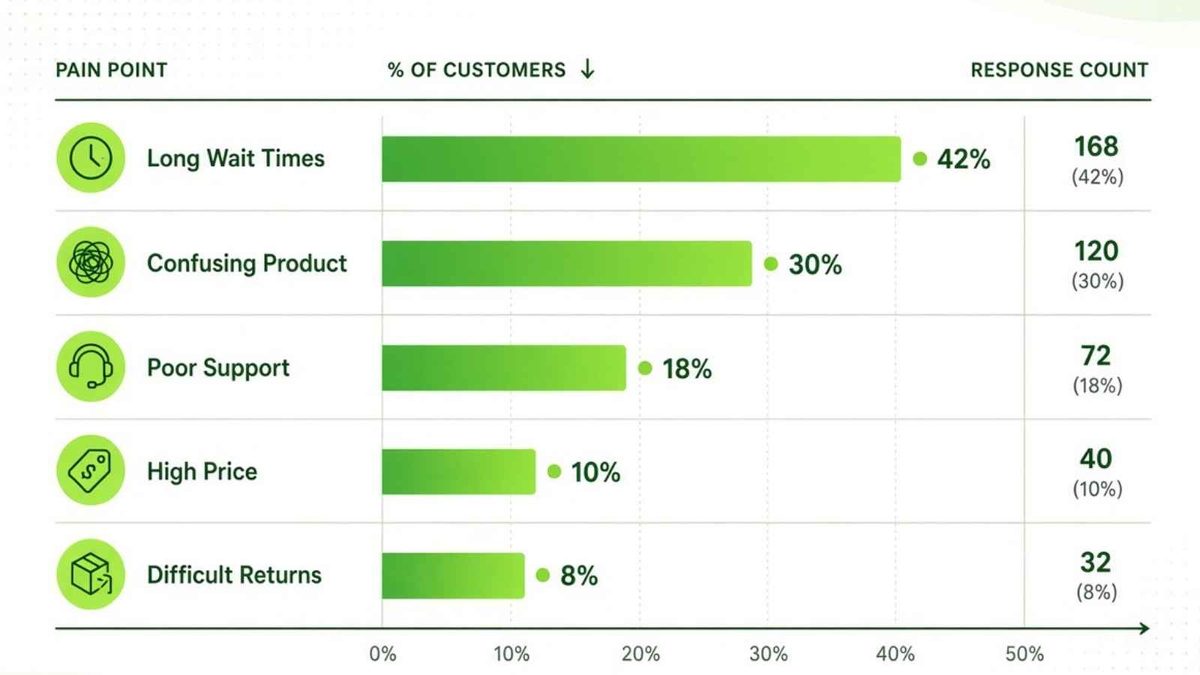
Start with customer language from support tickets, reviews, sales calls, and cancellation notes. A strong customer-first strategy treats these sources as evidence rather than isolated complaints. Group comments by the task customers were trying to complete, the obstacles they encountered, and the results of those obstacles.
For example, a financial service might repeatedly hear that customers don’t understand the next step in their account. The real issue may be unclear instructions, not a missing feature. Entrepreneurs such as Daniel Tilipman, who builds companies focused on consumer financial well-being through marketing, technology, and operations, work in areas where clear client experiences can directly affect how people handle difficult financial decisions.
Design Products That Deliver Real Relief
Translate each verified pain point into an outcome customers can recognize. “Improve the dashboard” gives a team little direction. “Help customers find their next required action within 30 seconds” creates a clear target for design, content, and testing.
Customer-First Product Development in Action
A practical customer-centric design framework can help teams connect research findings to product concepts and business goals. Before approving a feature, write a short problem statement that names the affected customer, the obstacle, and the desired result.
Then ask how you’ll know the solution worked. Useful measures might include:
- Completion rates.
- Time on task.
- Repeat use.
- Fewer calls about the same issue.
These measures keep the team focused on relief that customers can actually feel.
Test Solutions with Lightweight MVPs
Create the smallest possible version to test your central assumption about customer-first product development. An MVP could be a clickable prototype shown to eight customers, a manual service delivered to a limited group, or a simple landing page that measures demand. It doesn’t need every planned setting, integration, or visual detail.
Suppose customers want easier appointment scheduling. Before developing a full scheduling system, a business could test a basic form followed by manual confirmation for two weeks.
Track how many visitors begin the form, where they stop, and how many complete a booking. Ask participants what confused them while the experience is still fresh in their minds.
This test gives the team concrete evidence and exposes workflow problems before expensive development begins.
Refine Features Based on Usage Data
Launch decisions should begin another learning cycle. Track whether people discover the feature, complete its core action, and return to it when the same need arises. Segment the results where possible because new customers may behave differently from long-term users.
Usage numbers still need context. A low completion rate can reveal unclear wording, unnecessary steps, or poor timing, so pair analytics with short interviews and support conversations. Customer reviews are also useful signals when you treat reviews as market research and classify recurring comments rather than reacting to the loudest.
Set a review date before launch. After 30 days, decide whether to keep the feature, revise one specific friction point, or remove it. A roadmap becomes customer-first when every item must earn continued investment through demonstrated use and meaningful customer outcomes.
FAQ
What is the first step in customer-first product development?
Start by gathering unfiltered customer language from support tickets, reviews, sales calls, and cancellation notes. Group these by the task customers were trying to complete and the obstacles they faced, rather than treating comments as isolated complaints.
How is this different from traditional product development?
Traditional approaches often rely on internal opinions or assumptions about what customers want. Customer-first development requires direct evidence of a problem, a defined outcome, and proof that the solution delivers measurable relief before committing major resources.
How small should an MVP be?
An MVP should be the smallest version that tests your core assumption. This could be a clickable prototype, a manual process for a limited group, or a simple form—anything that gives you real customer feedback without full development.
How do you know if a feature is working?
Track whether customers discover it, complete the core action, and return when the same need arises. Pair usage data with short interviews or support conversations, and look for metrics such as completion rates, time on task, or fewer related support requests.
How often should you review features after launch?
Set a review date before launch—often around 30 days. At that point, decide whether to keep the feature, revise a specific friction point, or remove it based on demonstrated use and customer outcomes.
Conclusion
Customer-first product development replaces guesswork with evidence. By starting with real customer pain points, defining clear outcomes, testing the smallest useful solution, and refining based on actual usage, small businesses can avoid building features that look good internally but go unused.
The process takes discipline; every feature must earn its place through demonstrated customer results, but it leads to products people actually adopt and fewer resources spent on the wrong priorities.
Disclosure: This Small Biz Tipster blog post may contain affiliate links. I may earn a commission from qualifying purchases at no extra cost to you. Some sections were drafted with AI tools and carefully reviewed/edited by me.

I’m Lisa Sicard, founder of Inspire To Thrive.
Small Biz Tipster is my dedicated space for straightforward, no-nonsense tips that help small business owners grow smarter and faster. Voted in the Top 100 Small Business Blogs by Feedspot for 2025 and 2026, and with over 30 years of hands-on digital marketing experience, I share simple strategies here so you can save time on social media, attract more customers, and focus on what you love — running your business. Through Inspire To Thrive, I also provide social media management, training, and consultations.