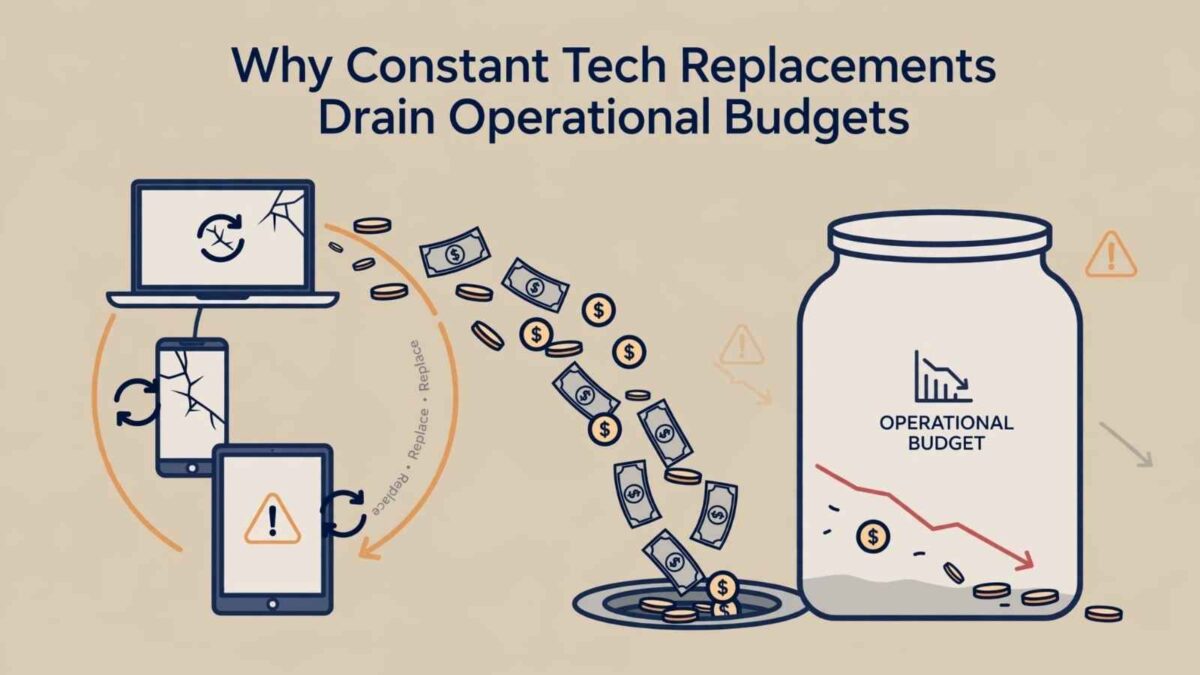
Disorganized records in your business books can turn a routine year-end close into weeks of corrections, unanswered questions, and avoidable professional fees. Missing receipts, duplicate entries, and transactions posted to the wrong accounts affect more than tax preparation.
They can distort profit figures, hide cash flow problems, and leave you making business decisions based on unreliable reports. Cleaning up the business books early gives you accurate numbers and enough time to address errors before filing deadlines arrive.
Table of Contents
Tracking the True Toll of Bad Data
Ensuring your business books are organized is essential to maintaining clear financial health.
The direct cost of messy business books often includes extra bookkeeping hours, late charges, and higher accounting fees. The wider cost of bad bookkeeping can be harder to spot.
An unpaid invoice recorded as paid may delay collection, while a duplicated expense can make a profitable month appear weak.
Poor records also reduce the value of financial reports. If account balances can’t be trusted, you may delay hiring, order too little inventory, or withdraw cash the business needs. These problems resemble the hidden costs of poor data governance, where inconsistent information creates extra work and weakens decisions.
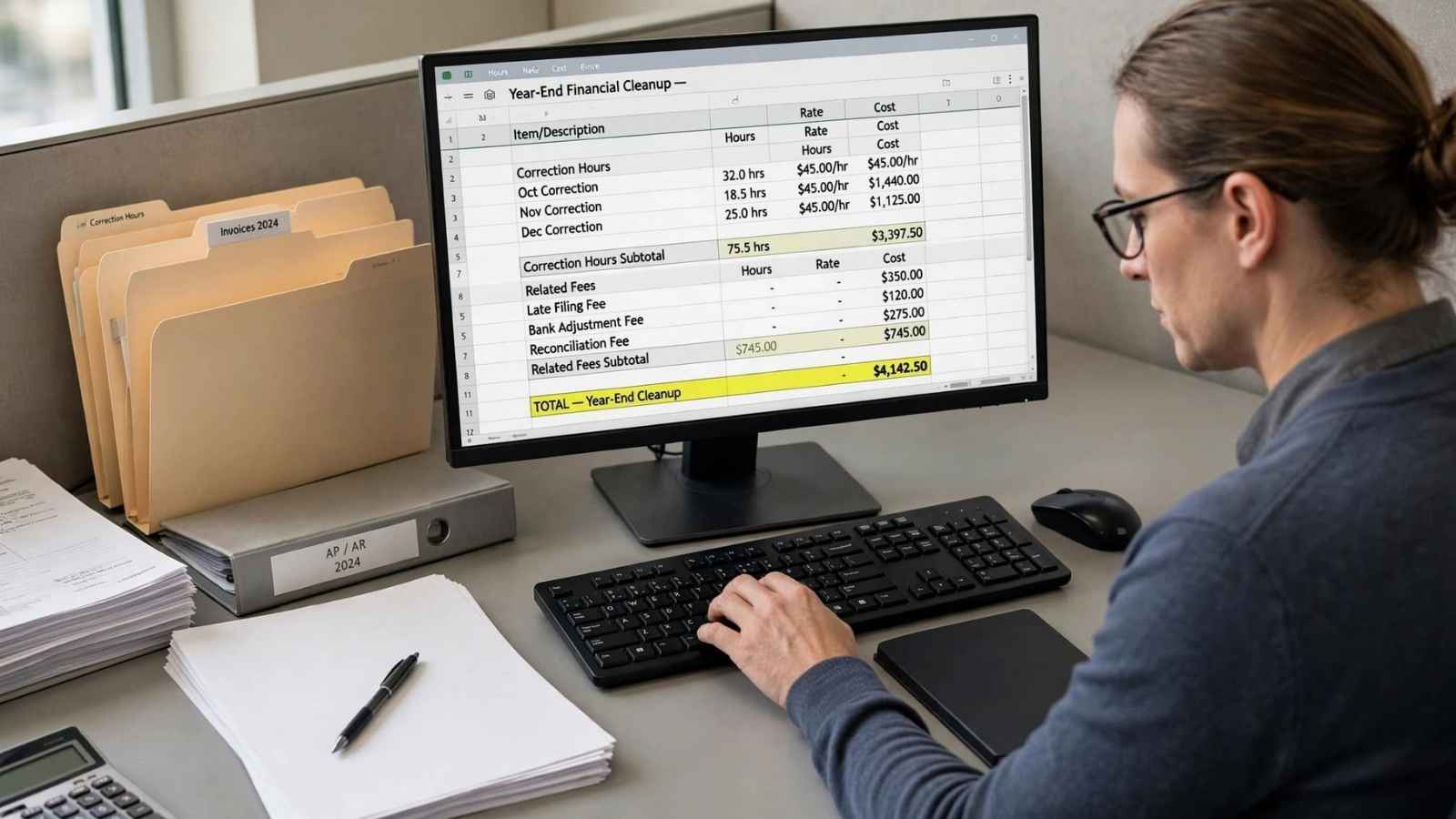
👉 Track correction time and related fees during year-end cleanup so you can see the full financial impact.
Dangers of Delayed Upkeeping Your Business Books
A small backlog can grow quickly. If a business processes 100 transactions each month, postponing bookkeeping for six months leaves 600 items to review. Staff may no longer remember why an unusual payment was made, and receipts may have disappeared from inboxes or desk drawers.
Delayed reconciliation also allows errors to go unnoticed. A bank fee could be posted twice, a customer payment might sit in the wrong account, or an automatic subscription could continue for months after it stopped being useful.
👉 The hidden bookkeeping costs may include missed growth opportunities and correction fees. This is the hard thing about not being organized for your messy business books.
When a Canadian corporation reaches year-end with a large backlog, professional support may be practical. Better Books Canada provides T2 filing and related year-end services for incorporated Canadian businesses.
Preparing for Clean Corporate Filings
Start your business books preparation before the fiscal year closes. Reconcile every bank account, credit account, and payment platform to its statement. Then review accounts receivable for old balances and confirm that supplier bills appear once in the correct period.
Corporate filings depend on both classifications and totals. Separate business costs from personal transactions, identify major equipment purchases, and document payments made to owners. Keep loan agreements, payroll summaries, and asset purchase records with the supporting receipts.
Your accountant may also need details about dividends, salary payments, or tax installments.
Run a balance sheet and income statement after completing these checks. Compare the results with the previous year and investigate unexpected changes.
👉 A sharp increase in travel costs or a negative account balance may be legitimate, but it deserves an explanation before the filing package is prepared.
Simple Routines to Keep You and Your Business Books Organized
Set a fixed bookkeeping schedule based on transaction volume. A small service business may need one hour each week, while a company with daily sales may require more frequent updates.
During each session, enter transactions, attach digital receipts, and reconcile balances. Keep unresolved items in a short review list instead of guessing how to classify them.
Use consistent file names that include the date, supplier, and amount. Restrict bookkeeping access to people who need it and record any corrections with clear notes. At month end, review these four figures:
- Cash available.
- Outstanding customer invoices.
- Unpaid supplier bills.
- Profit or loss for the month.
👉 Before the final year-end review, clear any unexplained balances and collect any missing documents for your business books. That final check gives your tax preparer a clean starting point and keeps preventable cleanup charges off the year-end invoice.
Are your business books ready for the end of 2026? I’d love to know more about yours in the comments below.
Disclosure: This Small Biz Tipster blog post may contain affiliate links. I may earn a commission from qualifying purchases at no extra cost to you. Some sections were drafted with AI tools and carefully reviewed/edited by me.

I’m Lisa Sicard, founder of Inspire To Thrive.
Small Biz Tipster is my dedicated space for straightforward, no-nonsense tips that help small business owners grow smarter and faster. Voted in the Top 100 Small Business Blogs by Feedspot for 2025 and 2026, and with over 30 years of hands-on digital marketing experience, I share simple strategies here so you can save time on social media, attract more customers, and focus on what you love — running your business. Through Inspire To Thrive, I also provide social media management, training, and consultations.