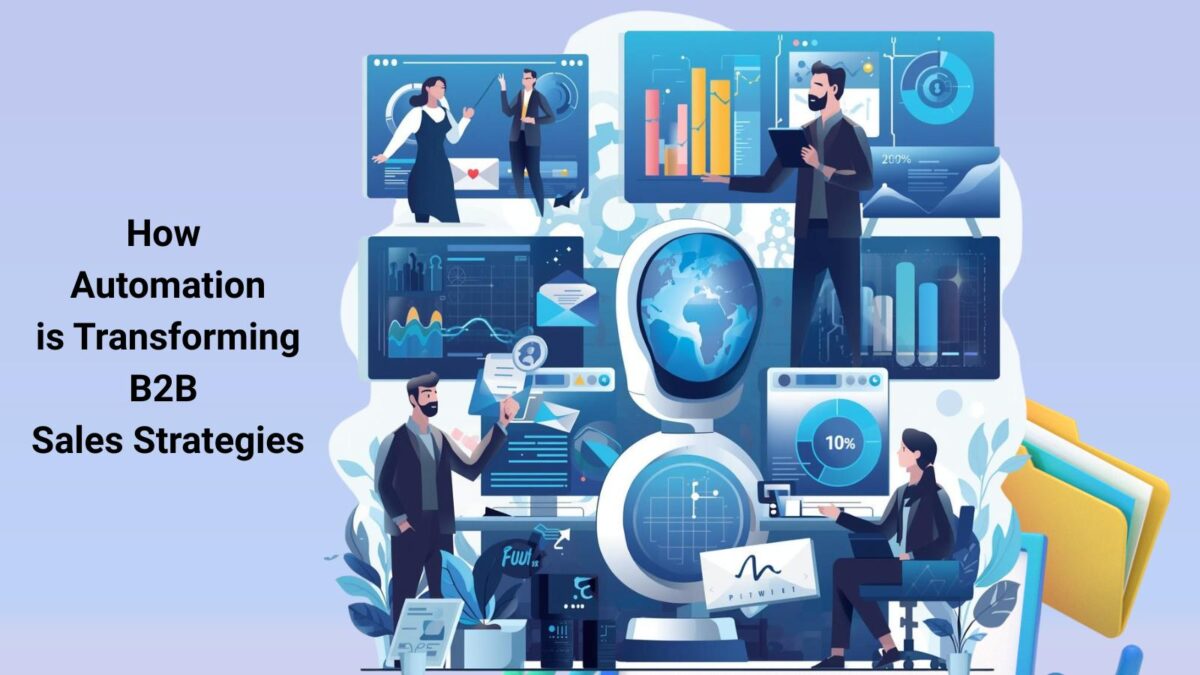
B2B sales strategies are undergoing a profound transformation as automation technologies take center stage across the industry. Innovative solutions are replacing manual processes with streamlined systems, allowing companies to adapt to a highly competitive and fast-paced environment.
In an era where efficiency and strategy are the driving forces of success, sales automation is more than just a trend; it is a fundamental shift that redefines how businesses identify, approach, and convert potential customers.
Today’s sales leaders leverage automation to maximize productivity, deliver timely communications, and anticipate market shifts with unprecedented accuracy. Companies integrating advanced technology not only accelerate operational workflows but also become more attuned to:
- Individual client needs.
- Resulting in higher engagement and improved revenue potential.
- The change is comprehensive.
- Touching every stage of the pipeline from lead generation to closing deals.
- Maintaining long-term relationships.
As decision-makers evaluate the right mix of technology for their unique strategies, automation can level the playing field in international markets and meet the rising expectations of B2B buyers. Businesses must develop a nuanced approach that balances automation with human insight while maintaining flexibility and responsiveness.
This article will explore how automation empowers sales teams to manage leads more effectively, implement personalized outreach at scale, harness predictive analytics for smarter decision-making, and overcome common obstacles associated with digital transformation.
Table of Contents
Enhancing Lead Management Through AI
Artificial Intelligence is drastically altering how businesses handle lead management. Automated tools equipped with machine learning algorithms can sift through extensive data sets to identify and prioritize strong leads, giving sales teams a clearer sense of where to concentrate their efforts.

Studies show that an overwhelming majority of manufacturers are implementing AI-driven processes for lead generation and pricing, as these tools significantly reduce the time spent qualifying prospects and allow for quicker, more targeted follow-ups.
Automating lead scoring not only improves accuracy but also ensures that sales professionals spend their time on interactions with the highest potential for closing business.
Leading industry analyses, such as those reported by Harvard Business Review, confirm that AI-driven sales tools continue to enable businesses to increase efficiency throughout the entire sales cycle.
Personalization at Scale
Reaching buyers with personalized experiences is crucial in today’s digital climate. Automation allows sales teams to personalize messages for thousands of prospects simultaneously, drawing insights from CRM data, behavioral history, and prior engagement patterns.
Automation solutions can dynamically adjust content, recommend products, or set meeting cadences tailored to each account, creating more meaningful touchpoints. According to industry reports, nearly 70 percent of B2B marketers rely on AI for personalization, resulting in a substantial uplift in engagement and client satisfaction.
These capabilities enable companies to foster deeper relationships while keeping operational overhead to a minimum. As reported by Forbes, personalization enabled by automation substantially raises the likelihood of a successful sale.
Predictive Analytics for Strategic Decision-Making
Predictive analytics is one of the most impactful benefits of sales automation. By analyzing historical and real-time data, automated platforms can forecast future buying trends, reveal market shifts, and uncover potential pain points within key accounts.
These insights enable more strategic go-to-market planning and smarter resource allocation. When sales teams have access to predictive insights, they can proactively approach clients with relevant solutions, increasing their chance of winning business before competitors.
Data-driven predictions also help set realistic sales targets and focus efforts on opportunities with the highest probability of conversion.
Streamlining Sales Processes with Automation for better b2b sales Strategies
The process of closing a B2B deal often involves numerous repetitive and time-consuming tasks, including updating records, tracking communications, and scheduling follow-ups. Automation platforms reduce the manual workload by standardizing workflows, triggering reminders, and handling administrative steps behind the scenes.
This newly gained efficiency enables salespeople to allocate their energy towards relationship-building activities that drive value. Shorter, more consistent sales cycles also improve forecasting accuracy and create a reliable structure for scaling operations as companies grow.
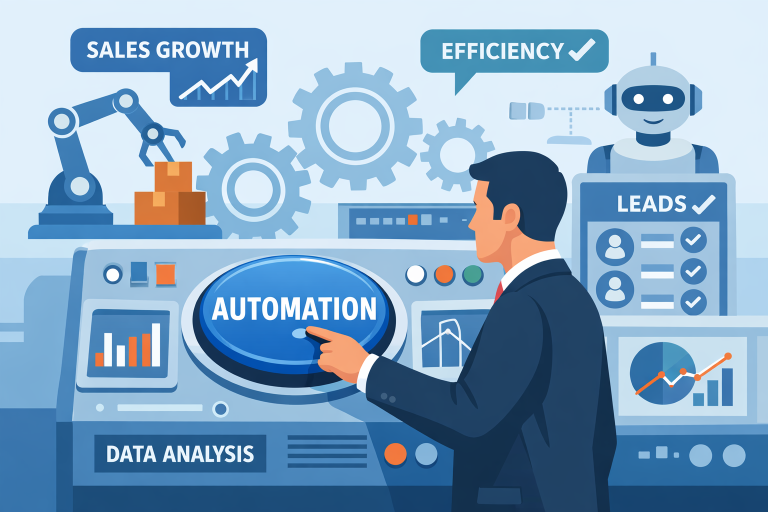
Integrating Multi-Channel Outreach for B2B Sales Strategies
Engaging prospects across various channels is now the norm in B2B sales strategies. Modern automation systems help manage and synchronize outreach efforts across email, social networks, SMS, and direct messaging platforms.
Sales teams can deliver timely, cohesive messages to each prospect, making it easier to nurture relationships wherever the client prefers to communicate. Multi-channel integration not only improves engagement rates but also supports a unified customer journey from initial touchpoint to deal closure.
As companies expand their reach, seamless channel management is crucial for maintaining consistent interactions and building trust.
Overcoming Challenges in Automation Adoption
Despite its advantages, the adoption of automation can be met with skepticism or resistance, especially if it disrupts legacy systems or workflows. To overcome these hurdles, leadership should prioritize comprehensive training, open communication, and gradual implementation that minimizes operational risk.
It is also important to choose automation tools that are compatible with the current infrastructure to avoid significant integration issues. Clear, ongoing feedback from end users can help refine processes and ensure sustained ROI from digital transformation investments.
Future Trends in B2B Sales Automation
As automation tools continue to evolve, the next wave of innovation will focus on intelligent virtual assistants, AI-powered chatbots, and more advanced data enrichment techniques. These technologies will further enhance personalized customer engagement and drive even higher sales performance.
The increasing use of machine learning and natural language processing will enable even more granular targeting, optimizing every aspect of the sales journey for both efficiency and experience.
Conclusion: B2B Sales Strategies with Automation
Automation is reshaping B2B sales strategies and driving significant value for companies across industries. By adopting the latest technologies, businesses can boost efficiency, provide deeply personalized client experiences, and remain resilient in a rapidly evolving digital marketplace.
As digital transformation continues, those who prioritize automation and intelligent integration will be best positioned for growth and long-term success.
About The Author